Value Proposition Section Examples
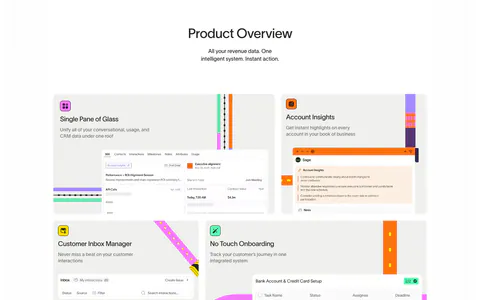
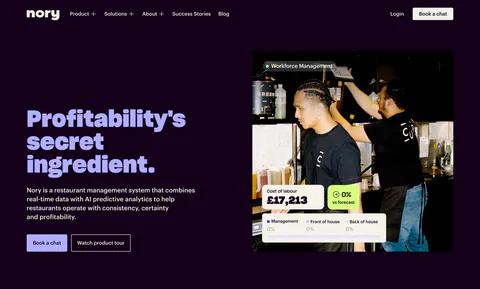
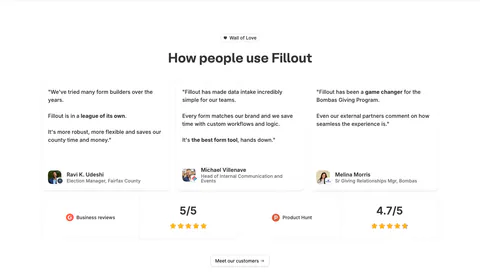
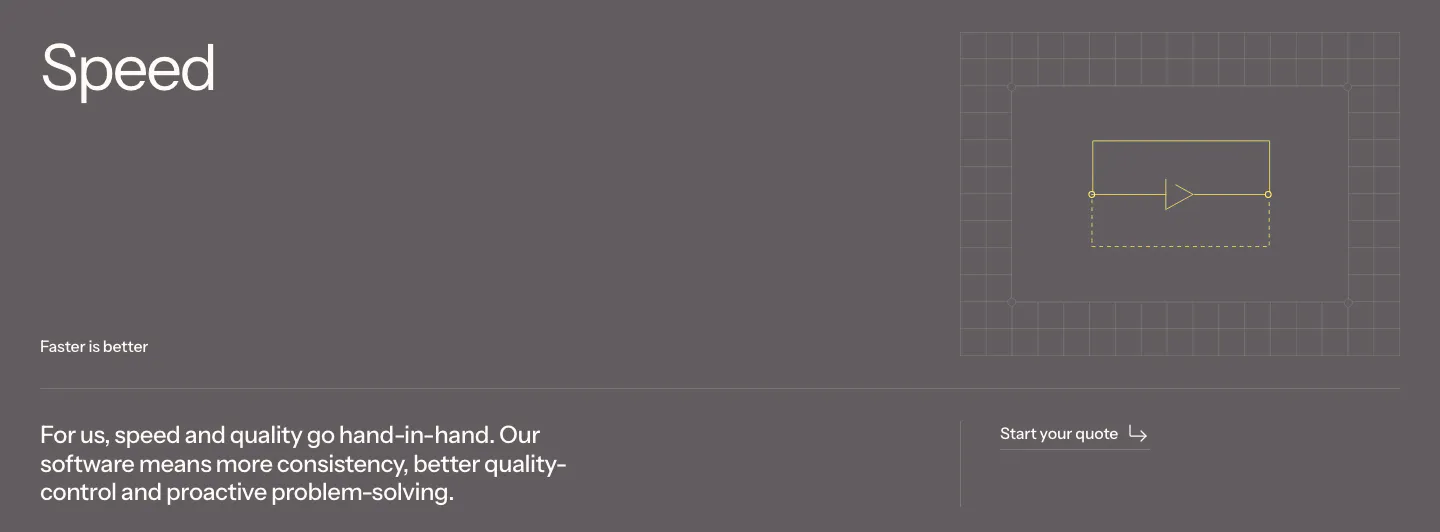
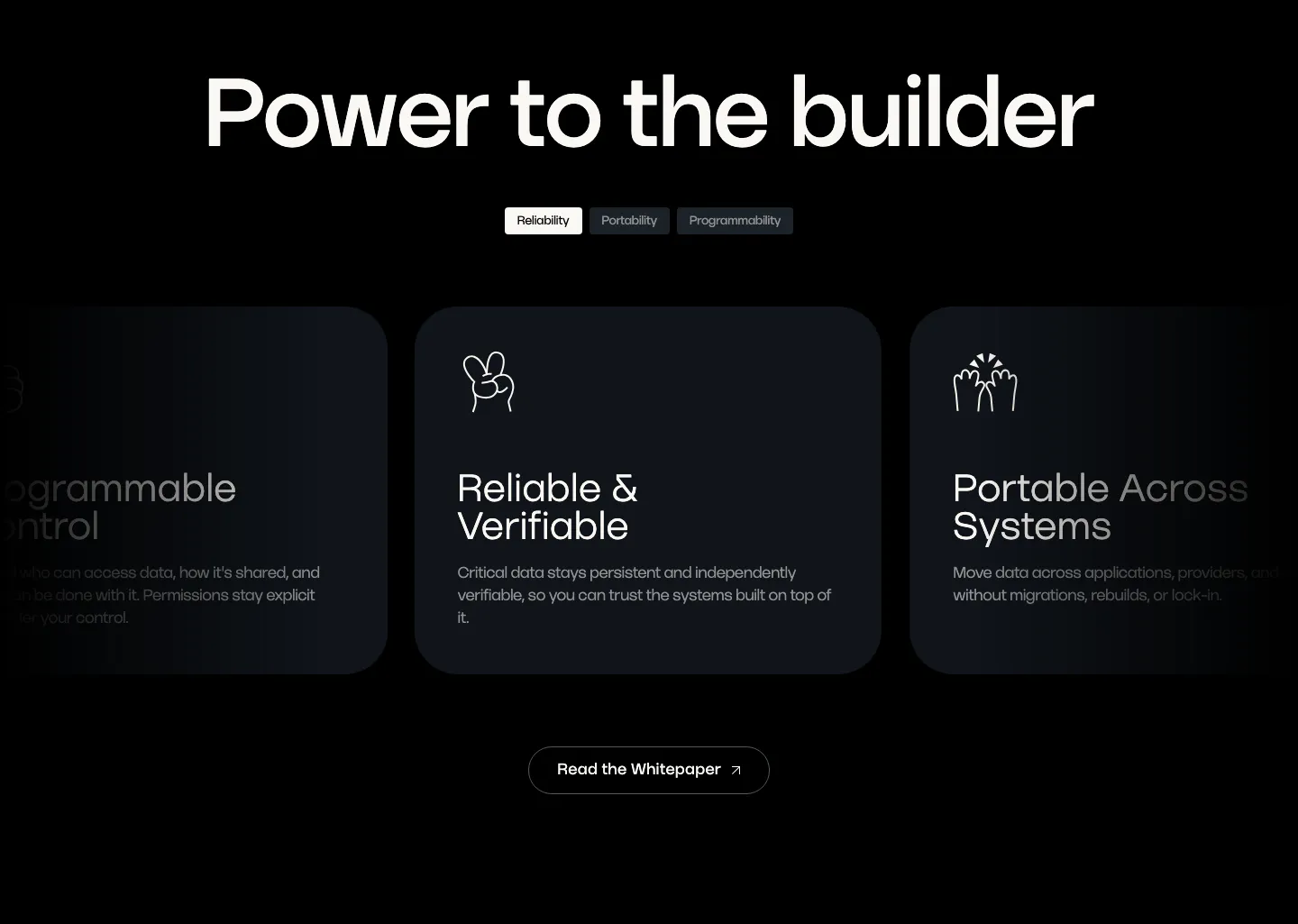
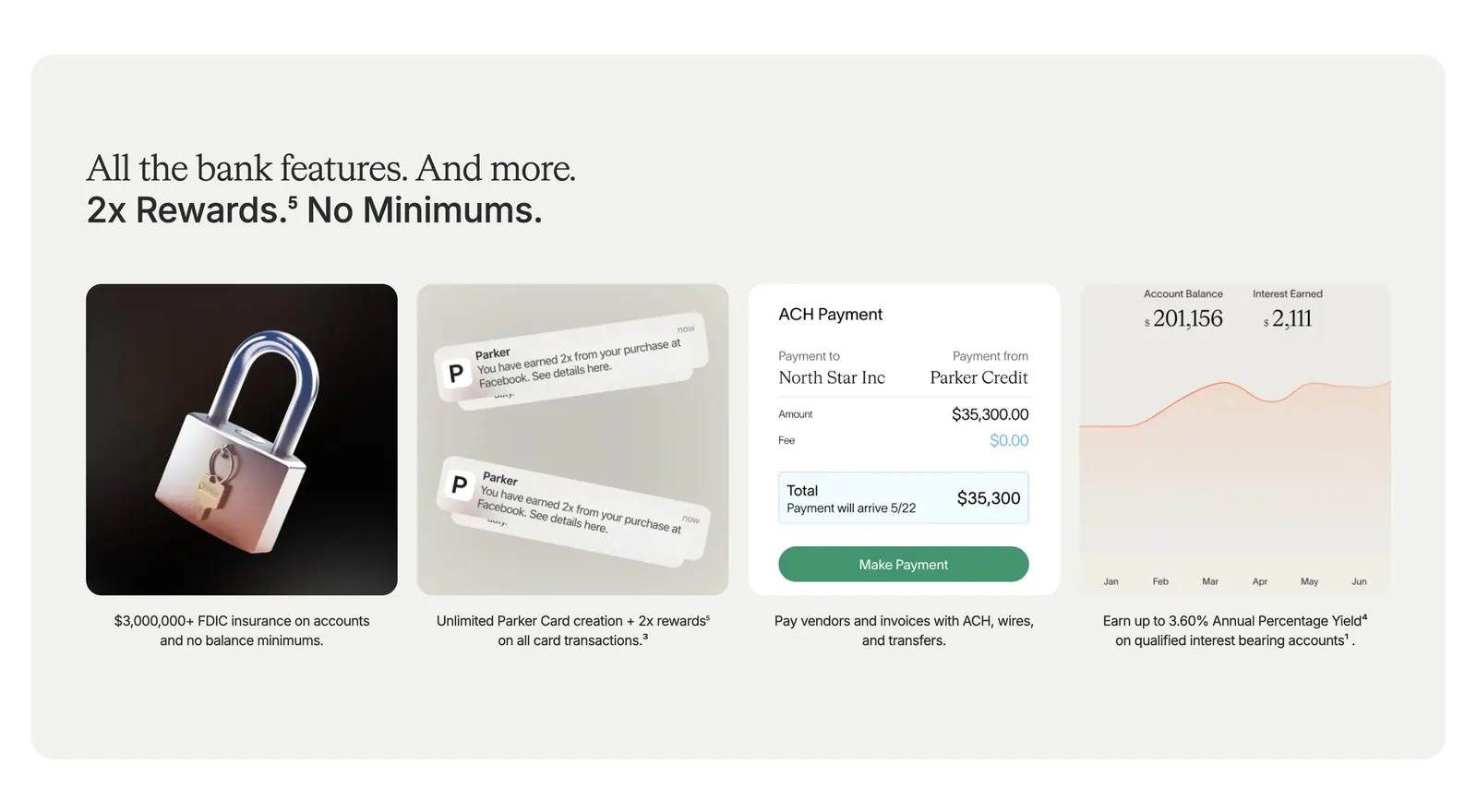
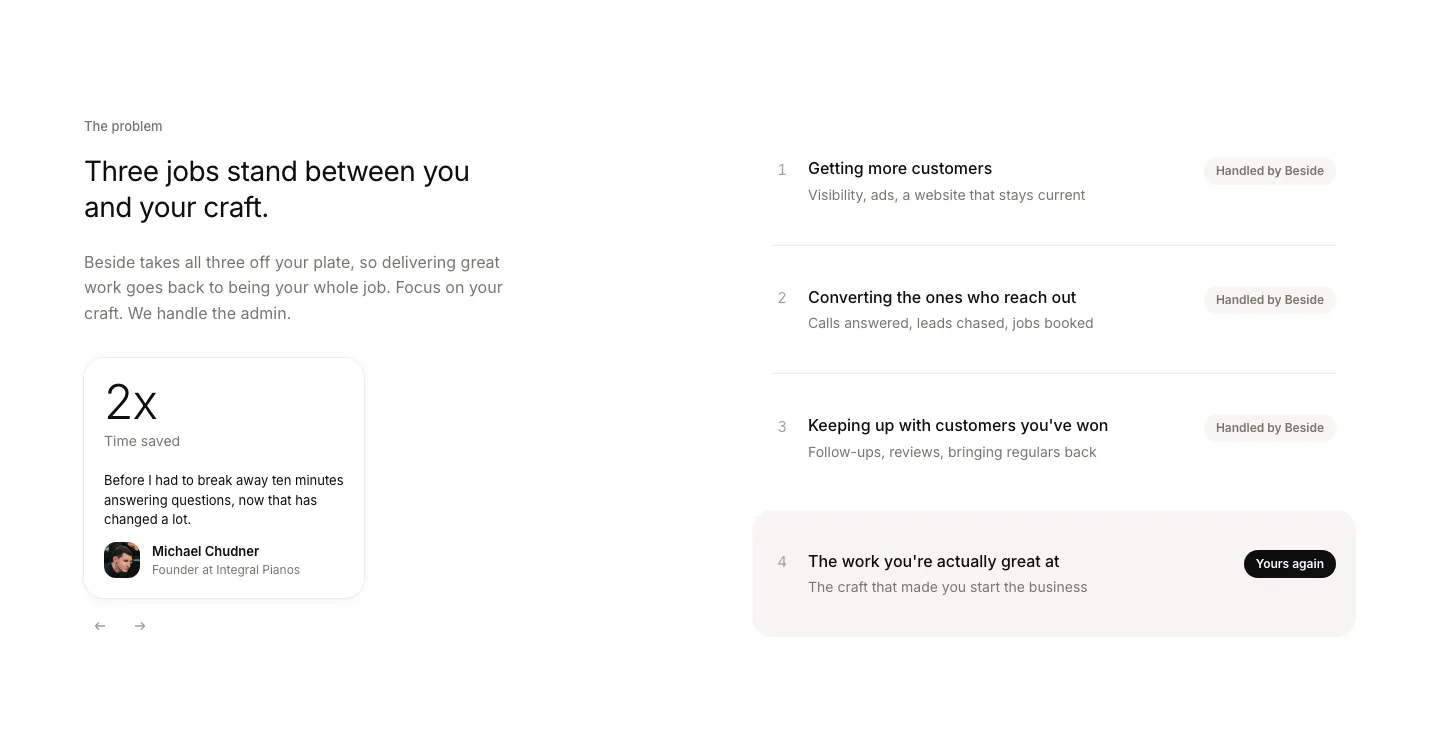
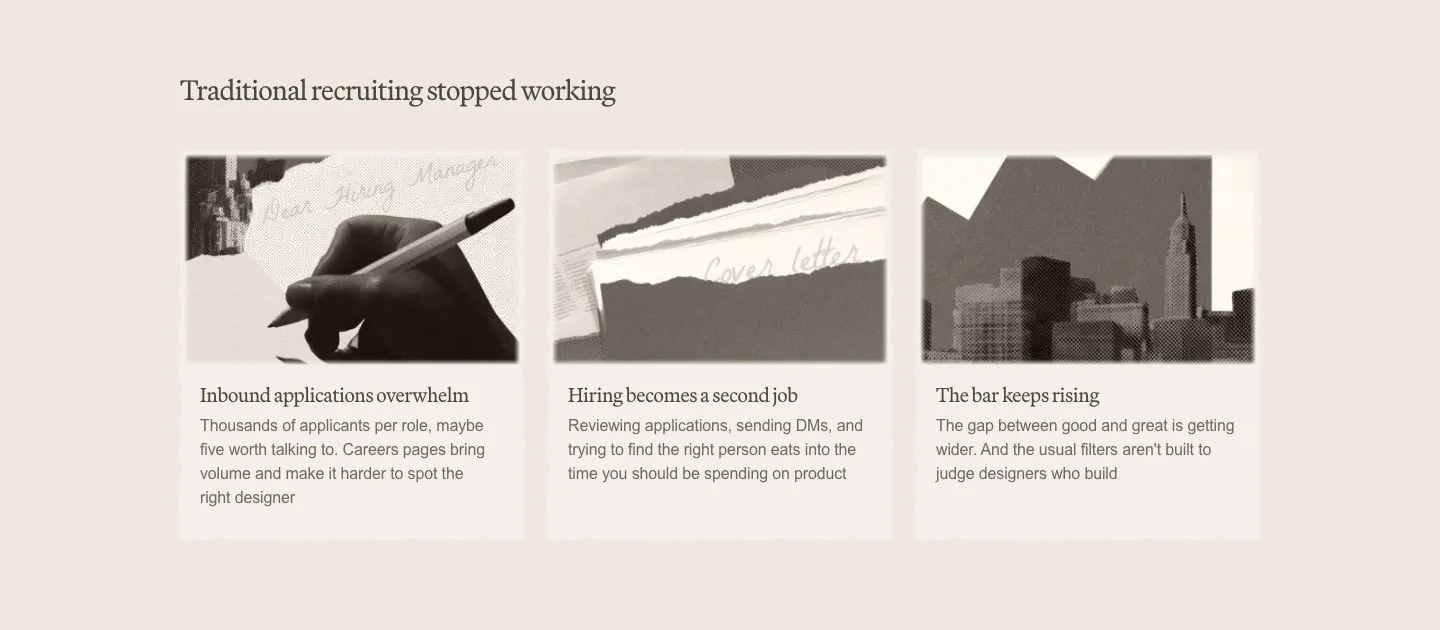
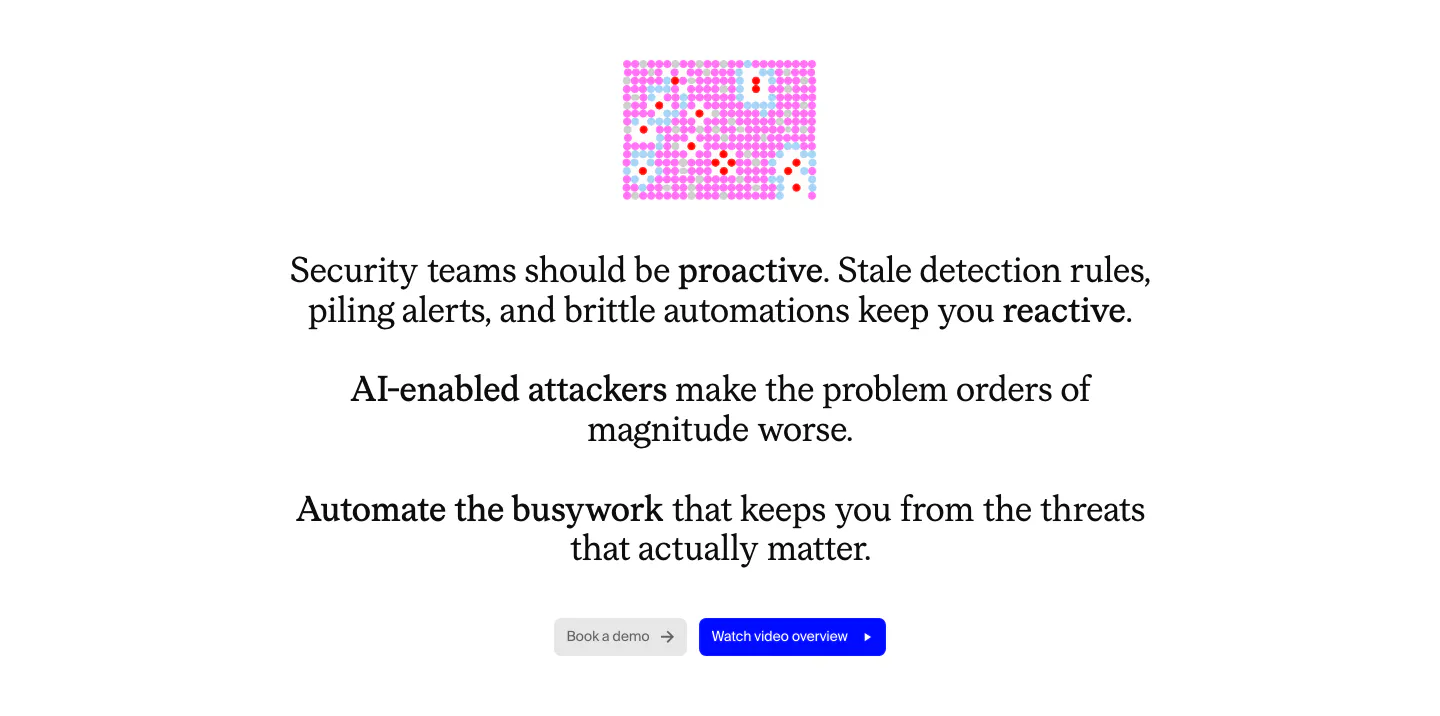
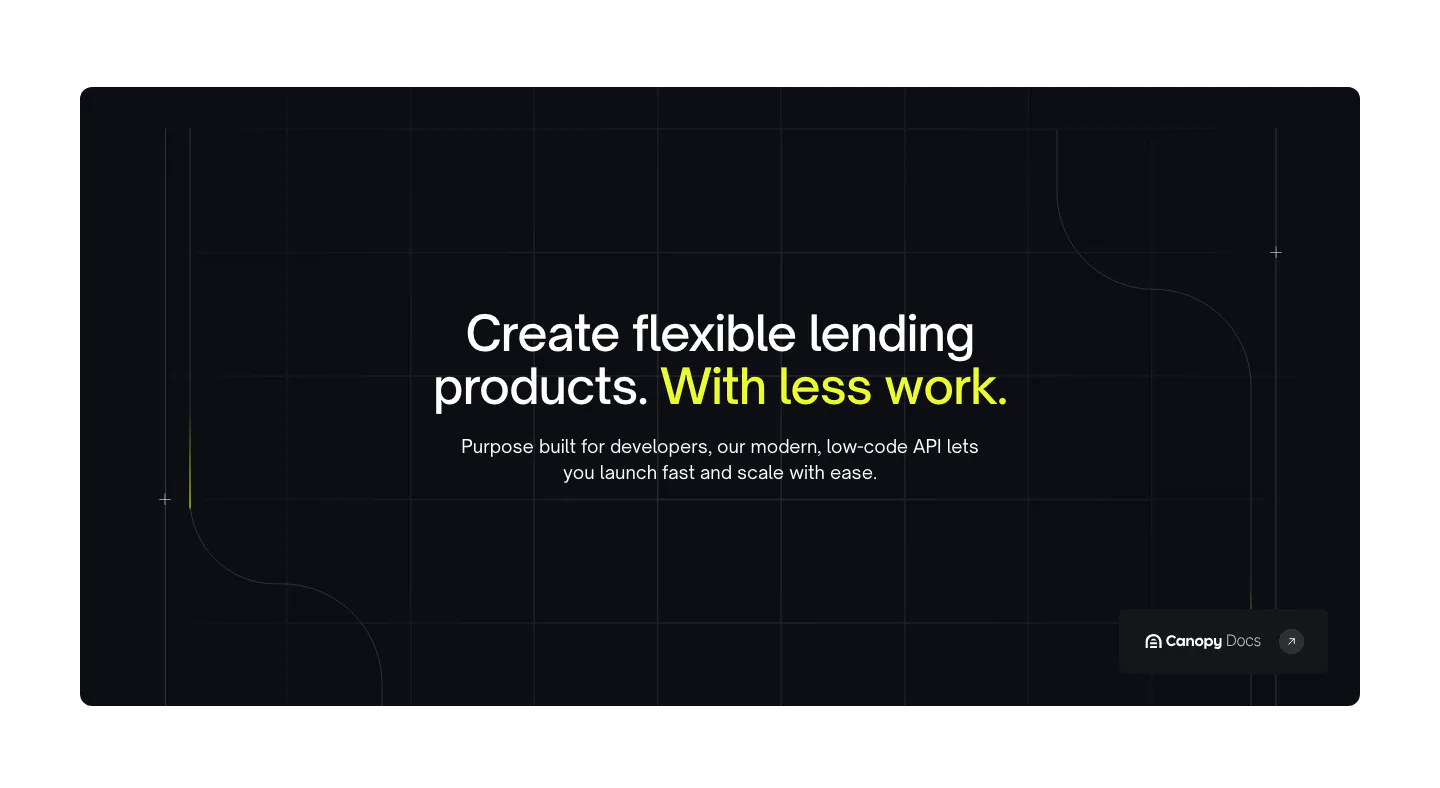
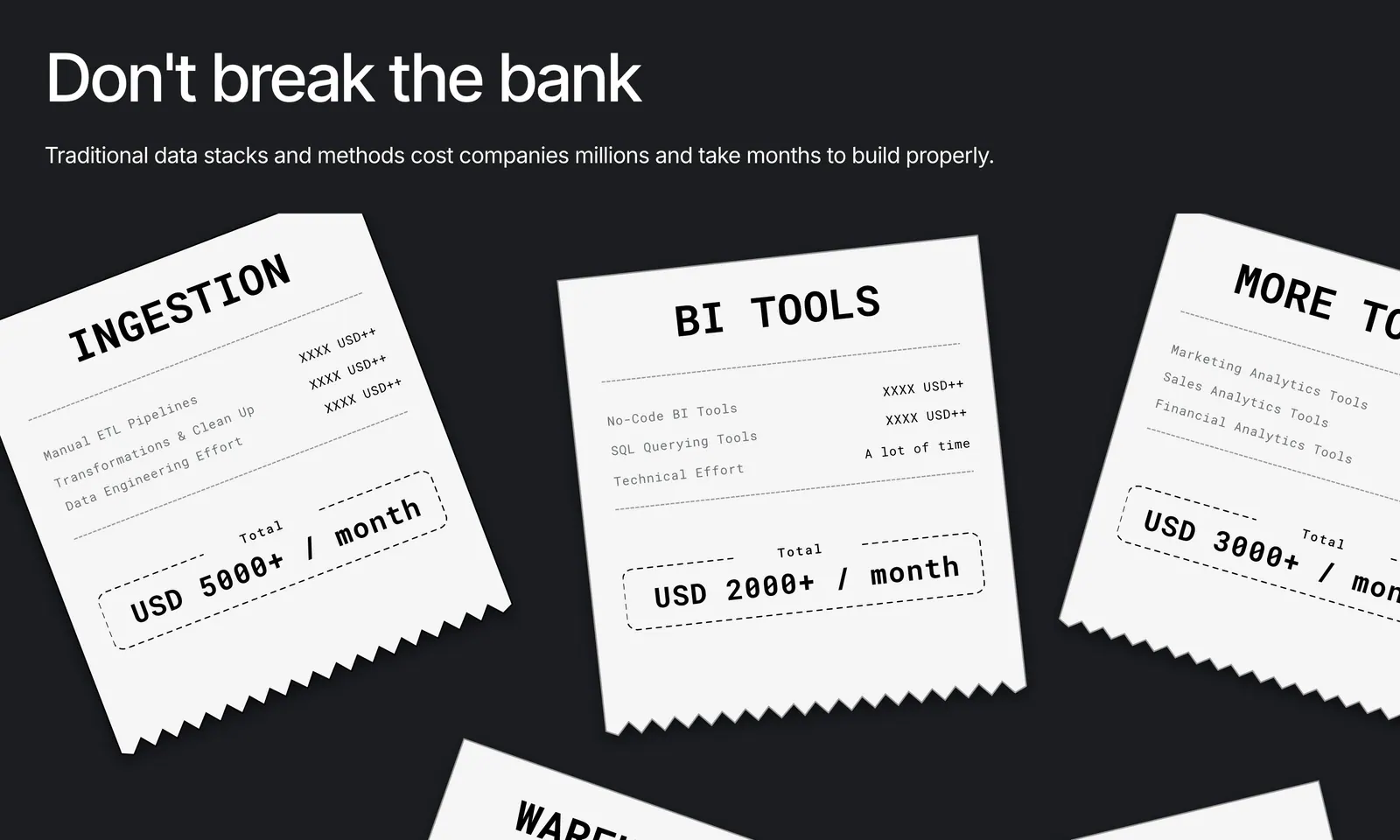
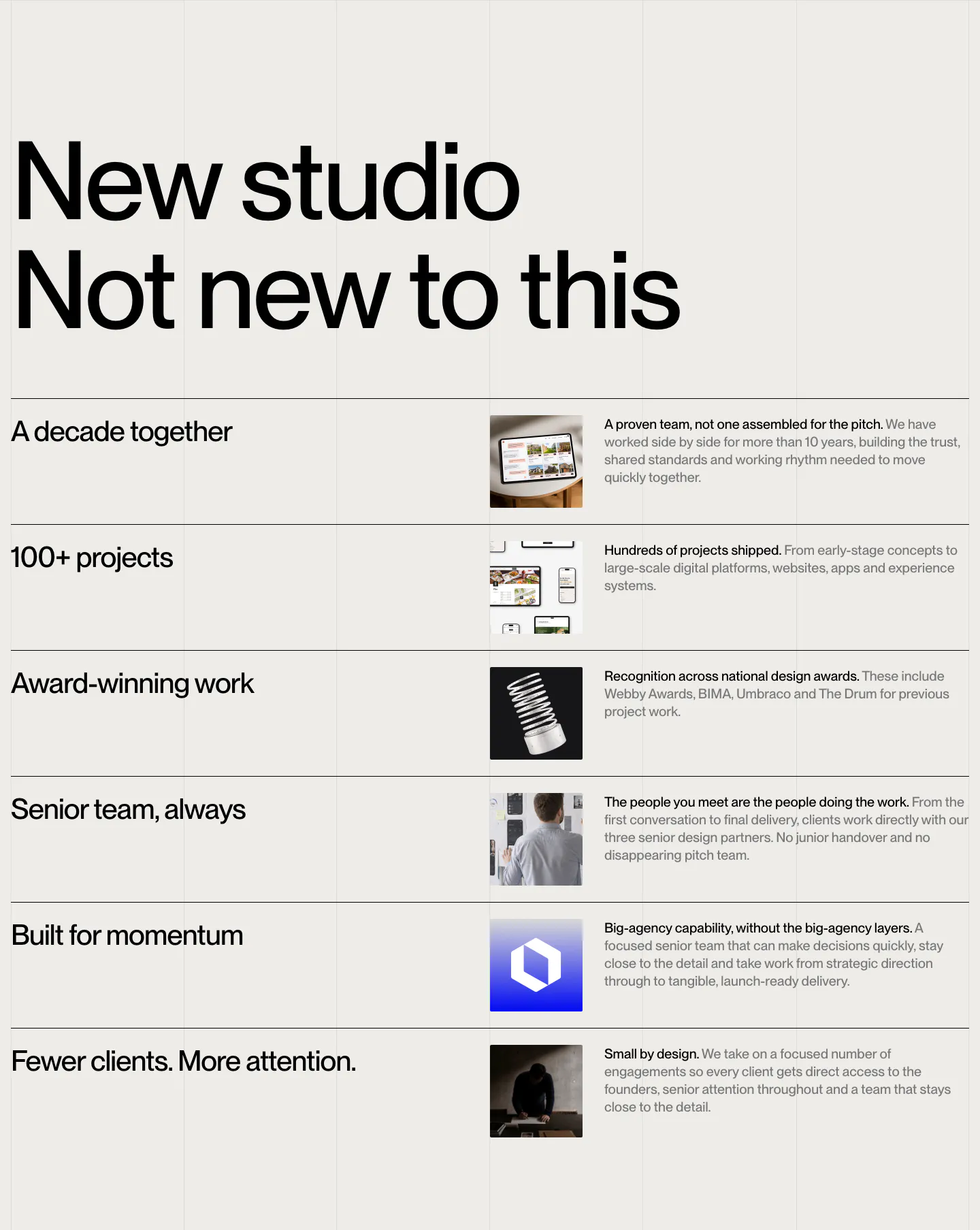
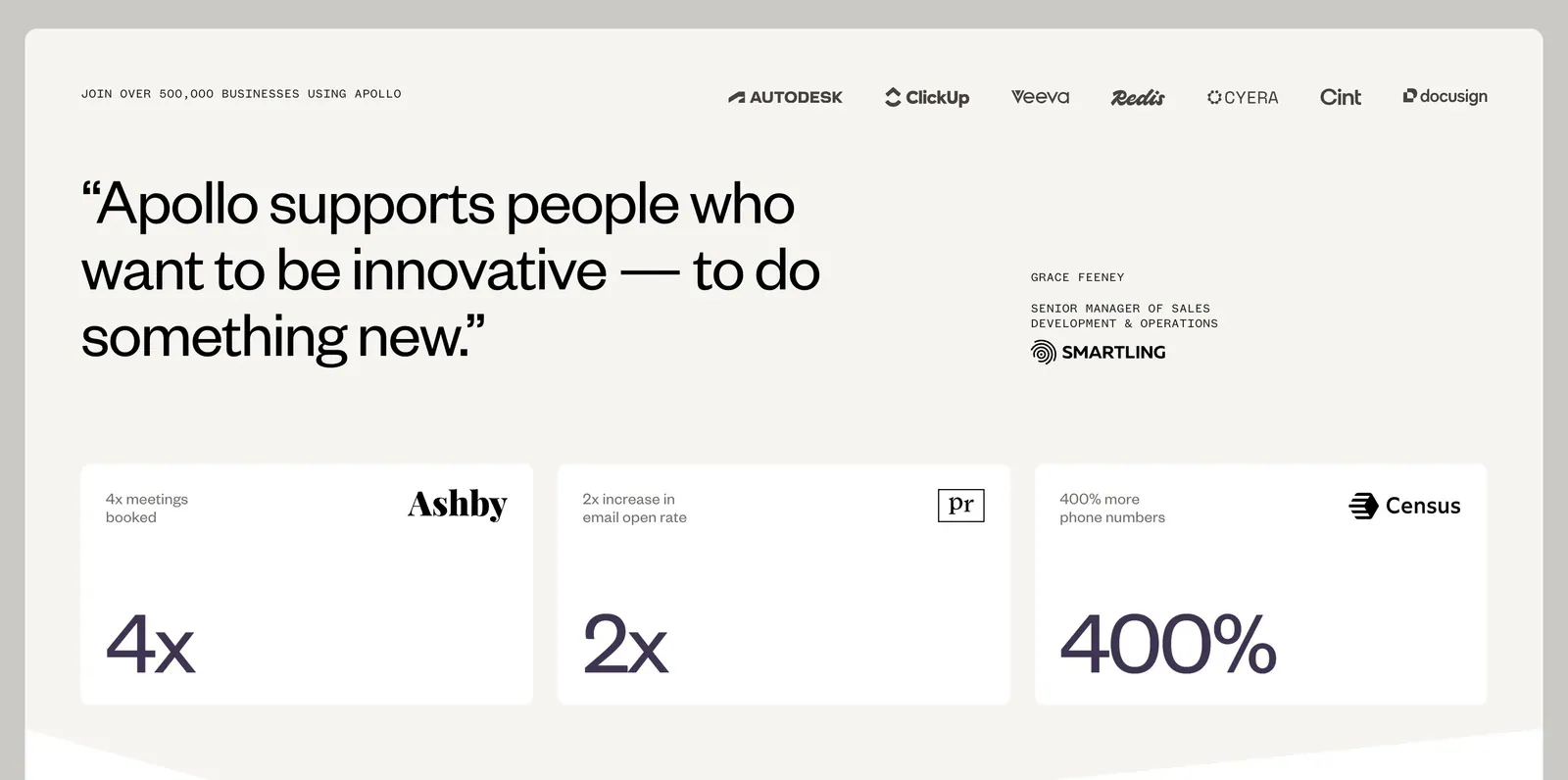
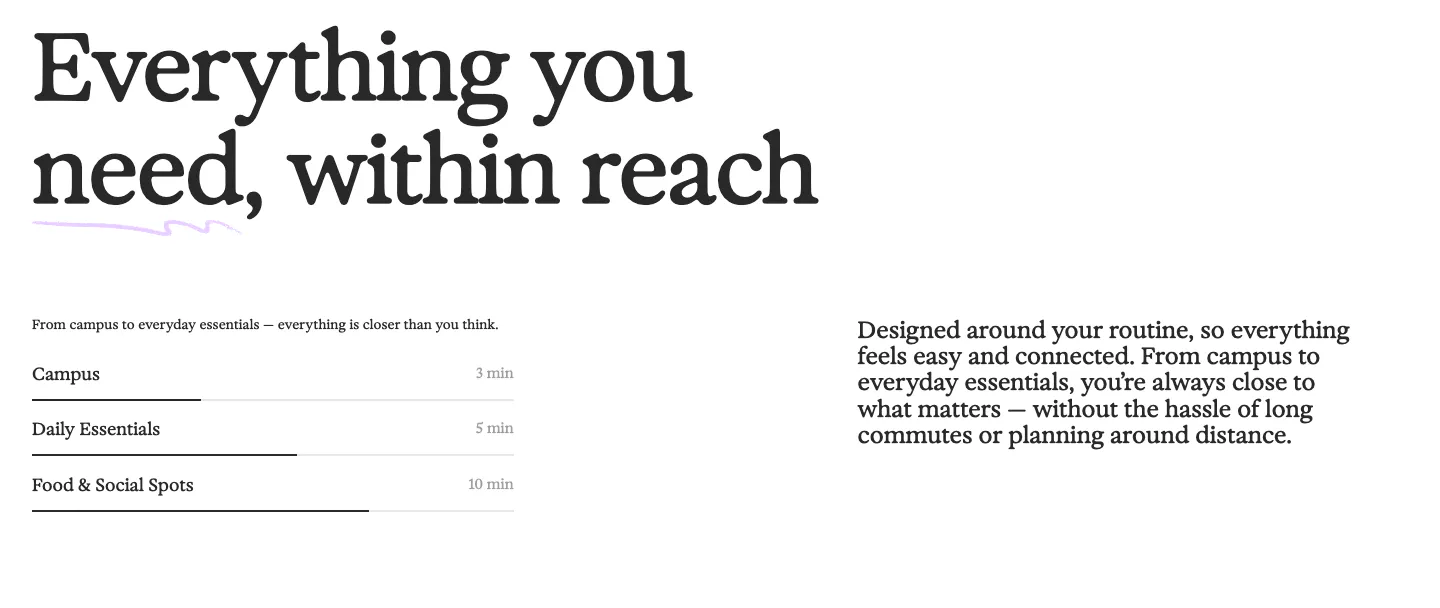
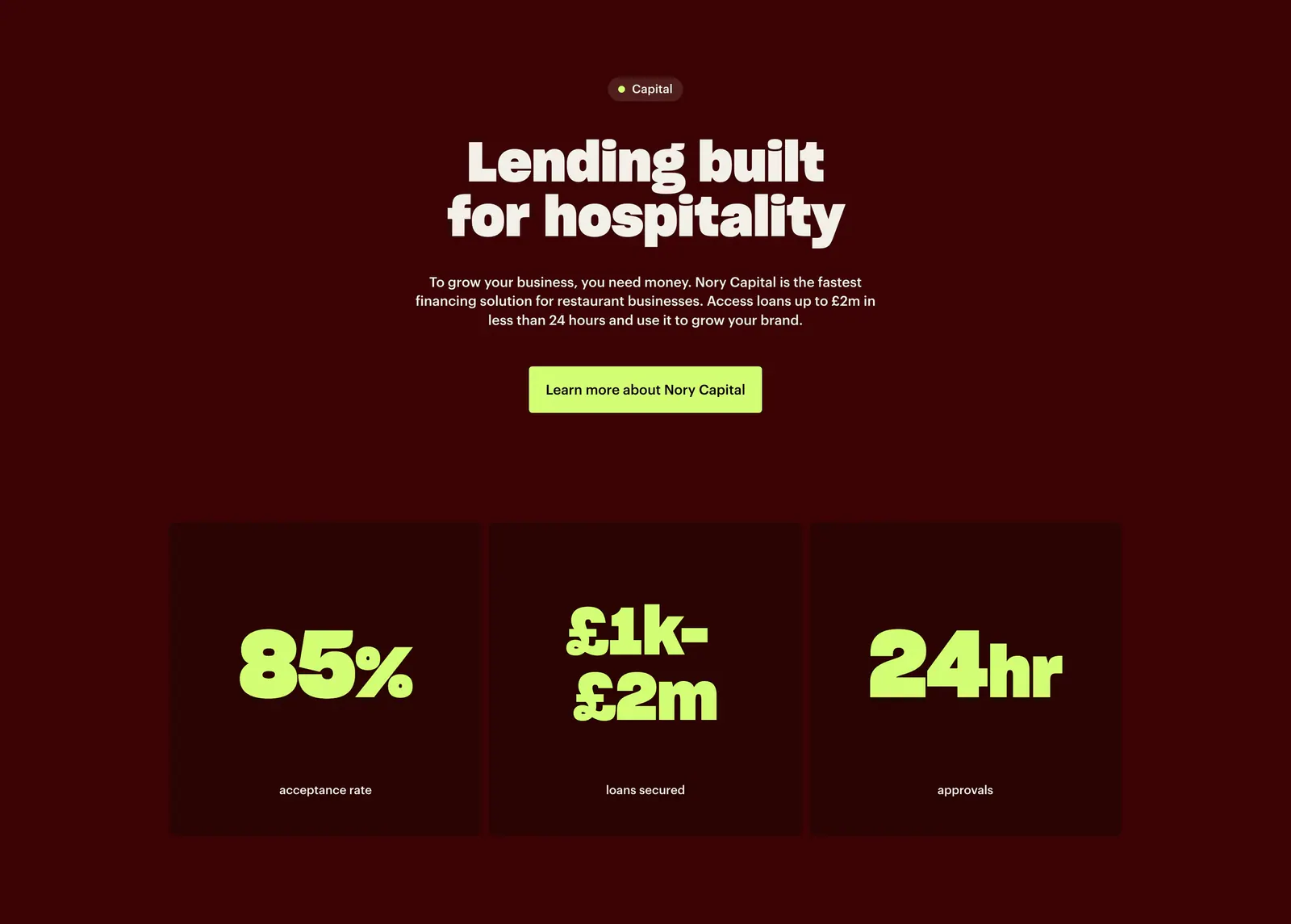
Why this product, and why now? A value proposition section answers that with one specific claim and a few concrete outcomes, and very little product detail. Its usual failure is a claim any competitor could make, or a slow slide into a feature list. Study these value proposition examples to see how much a short, confident statement can carry on its own.










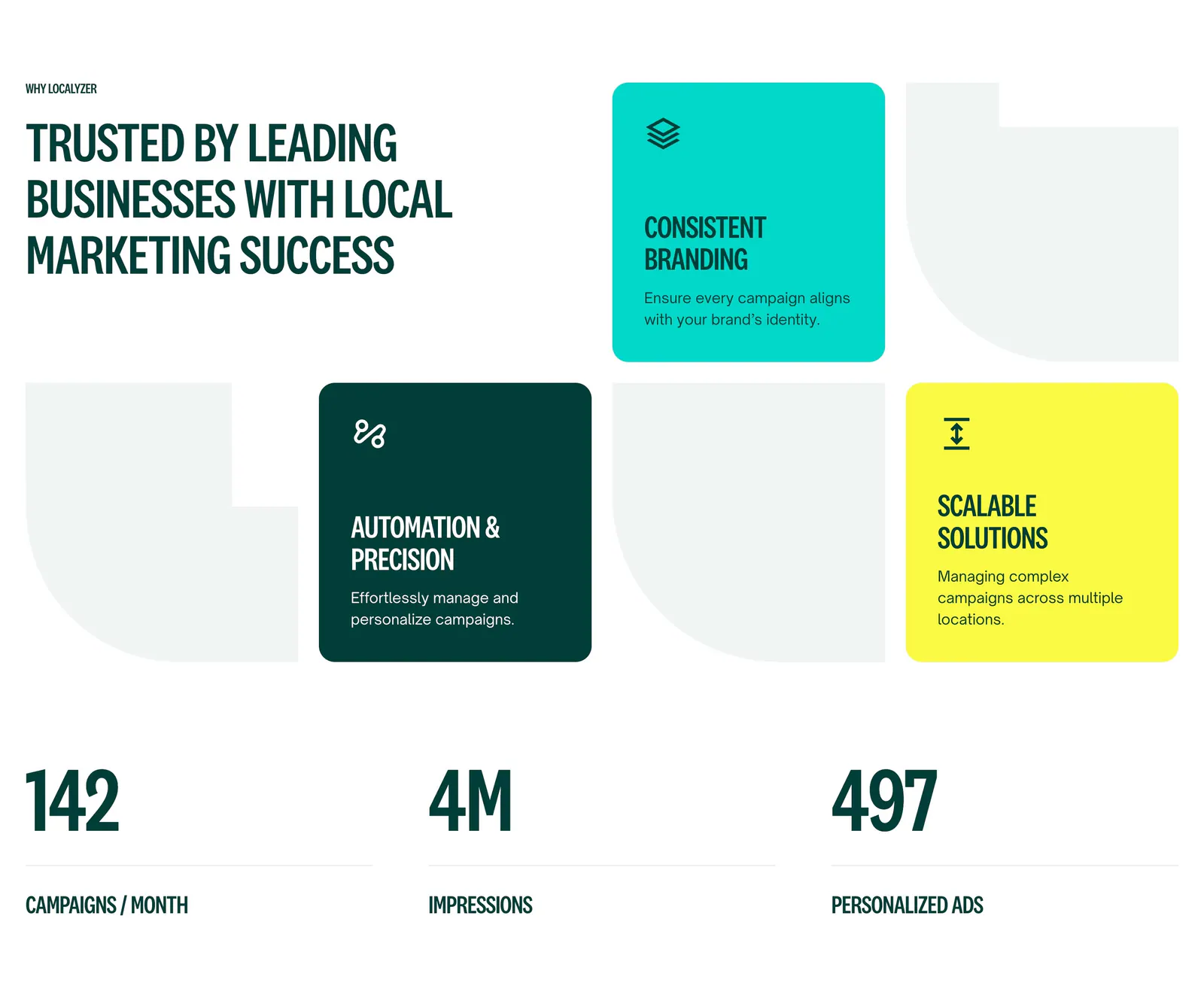
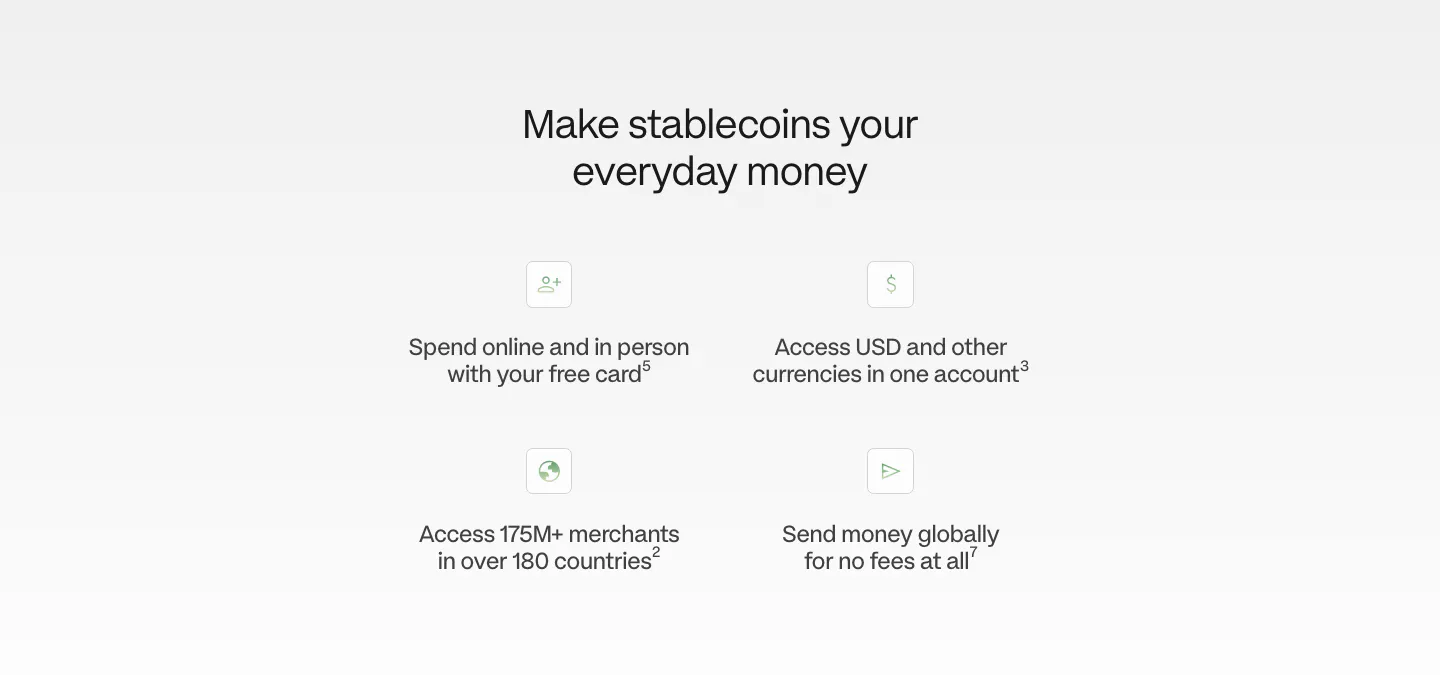

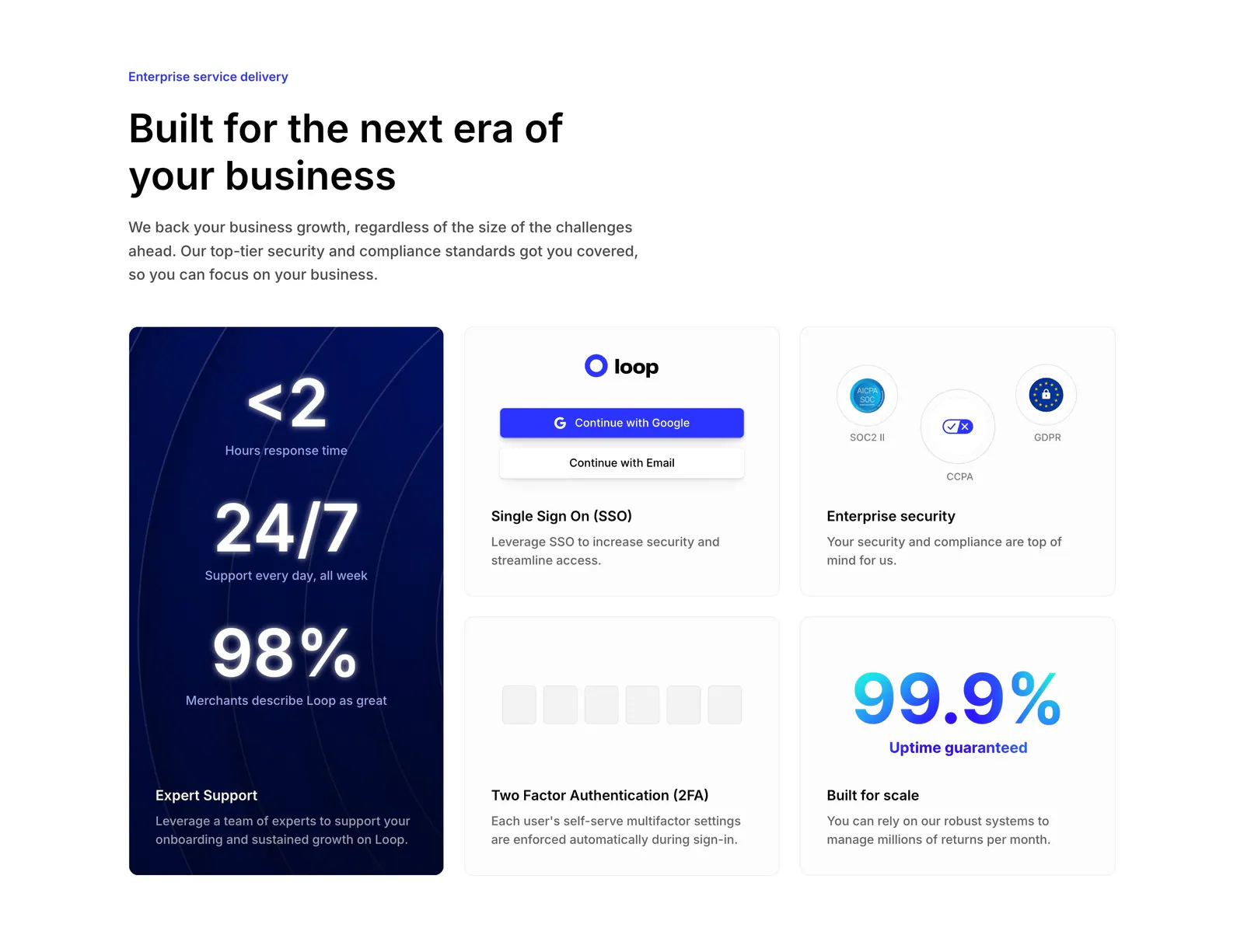


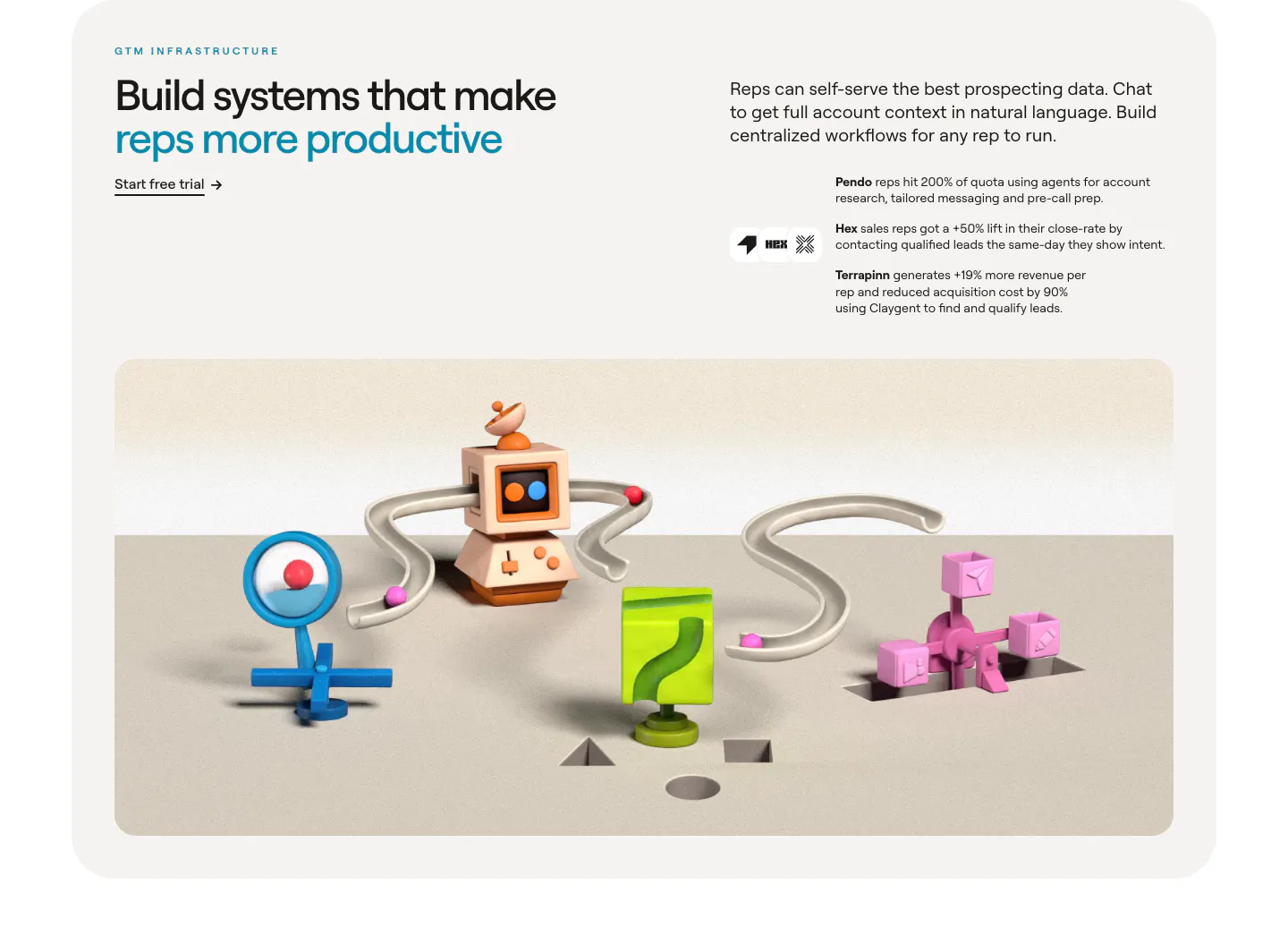











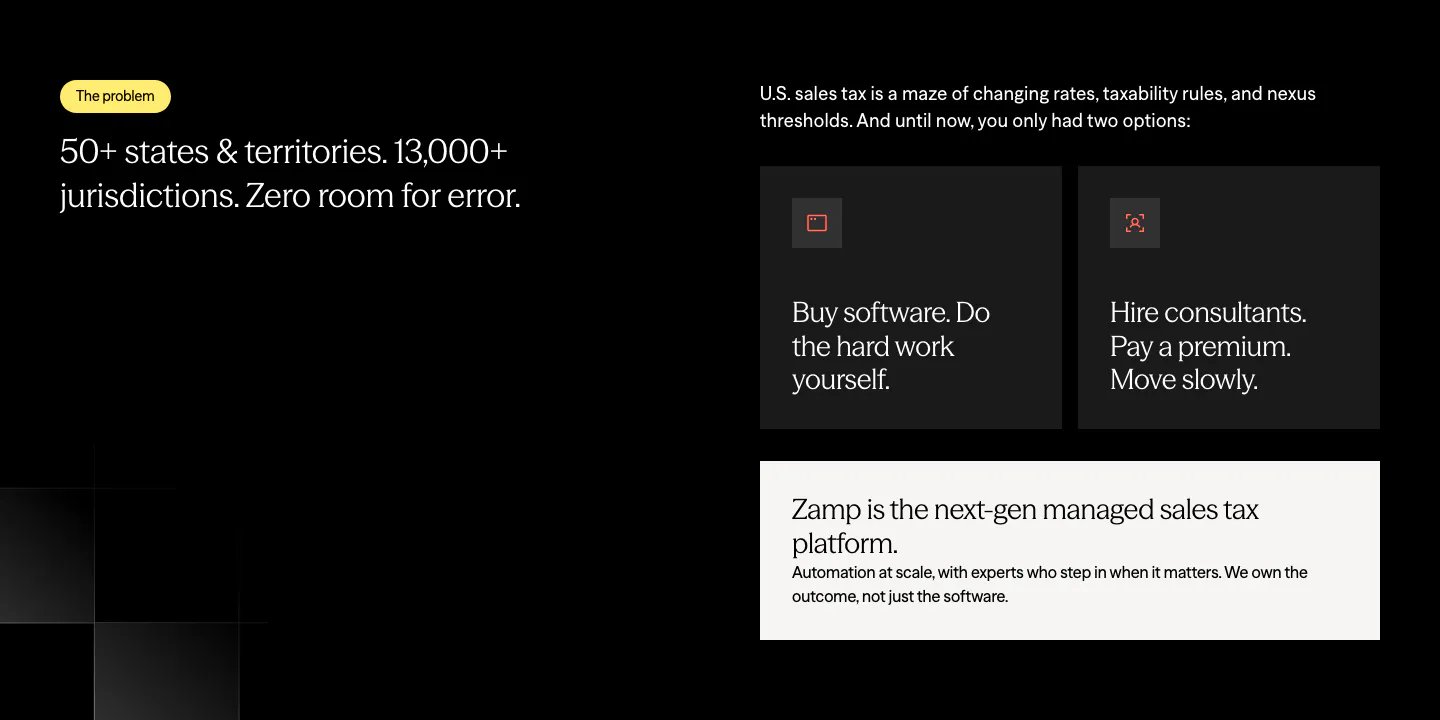
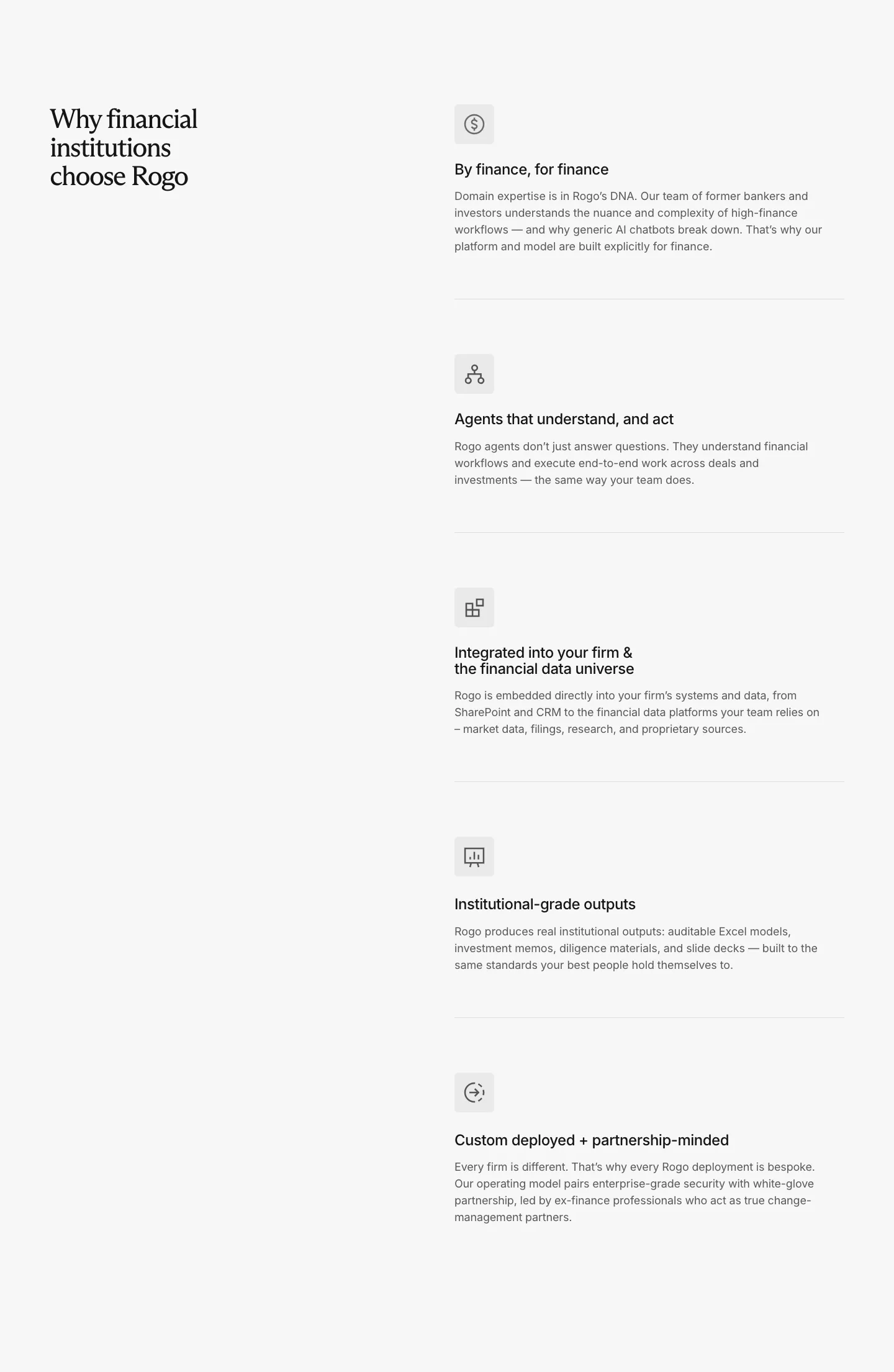
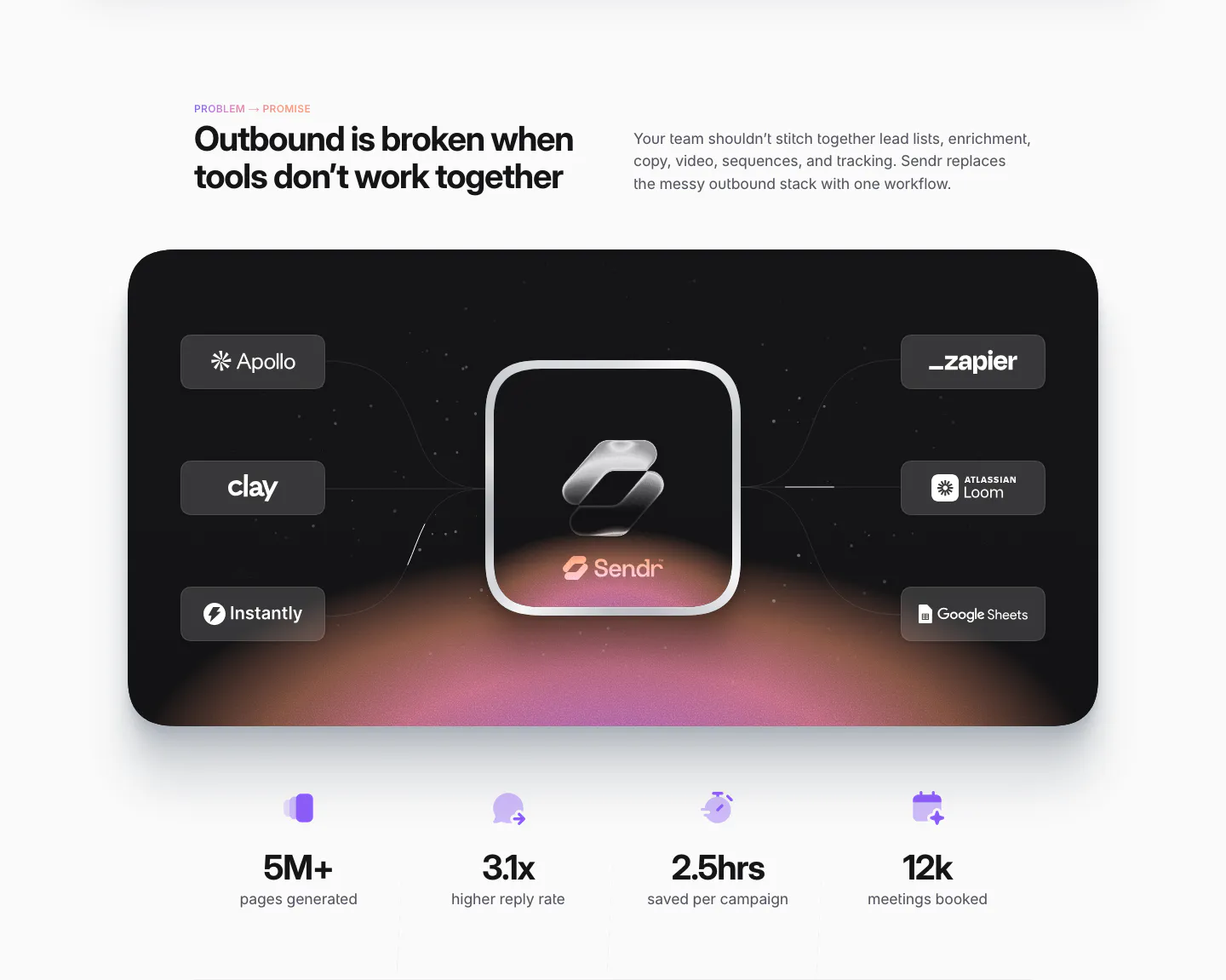
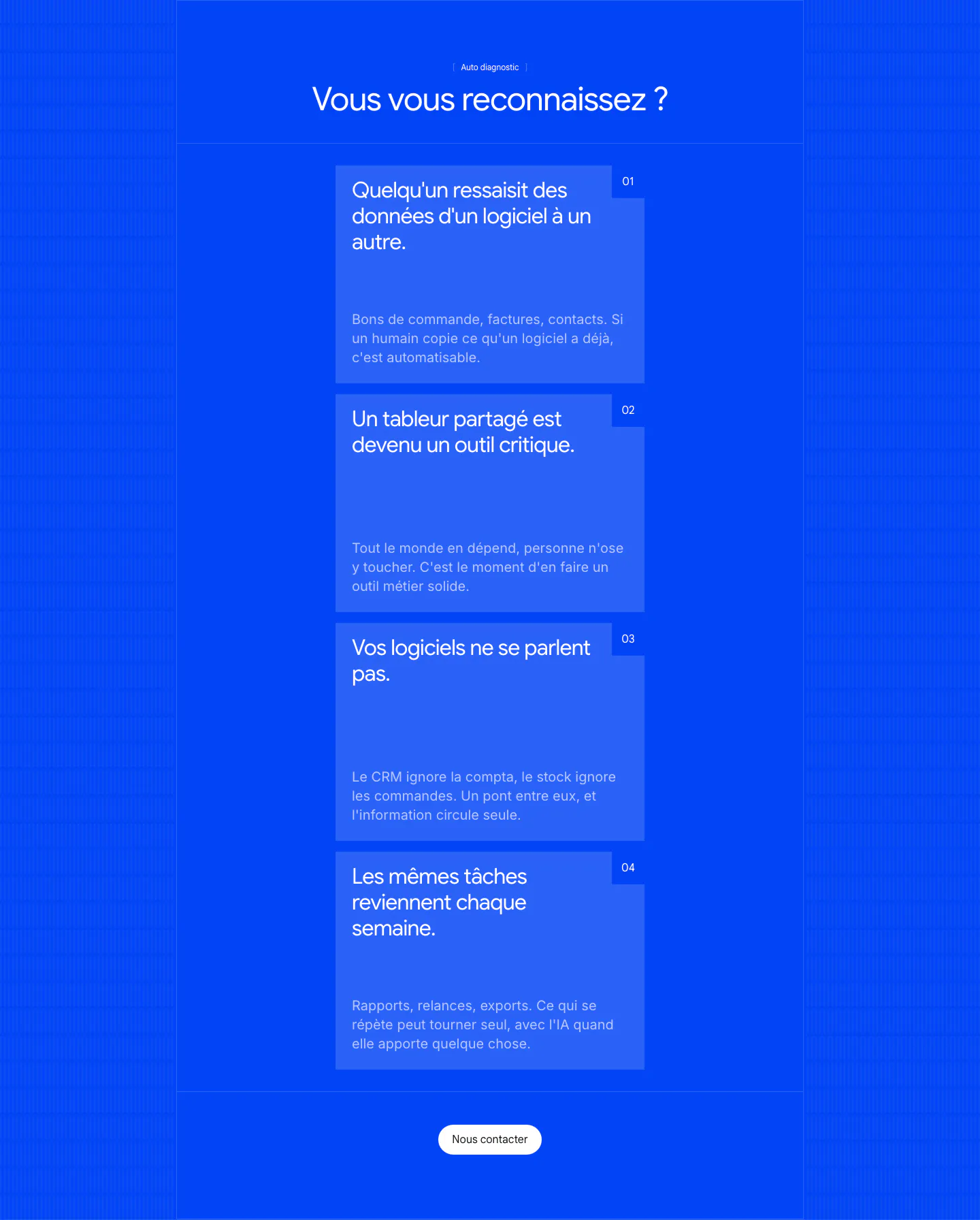
Common patterns in value proposition sections
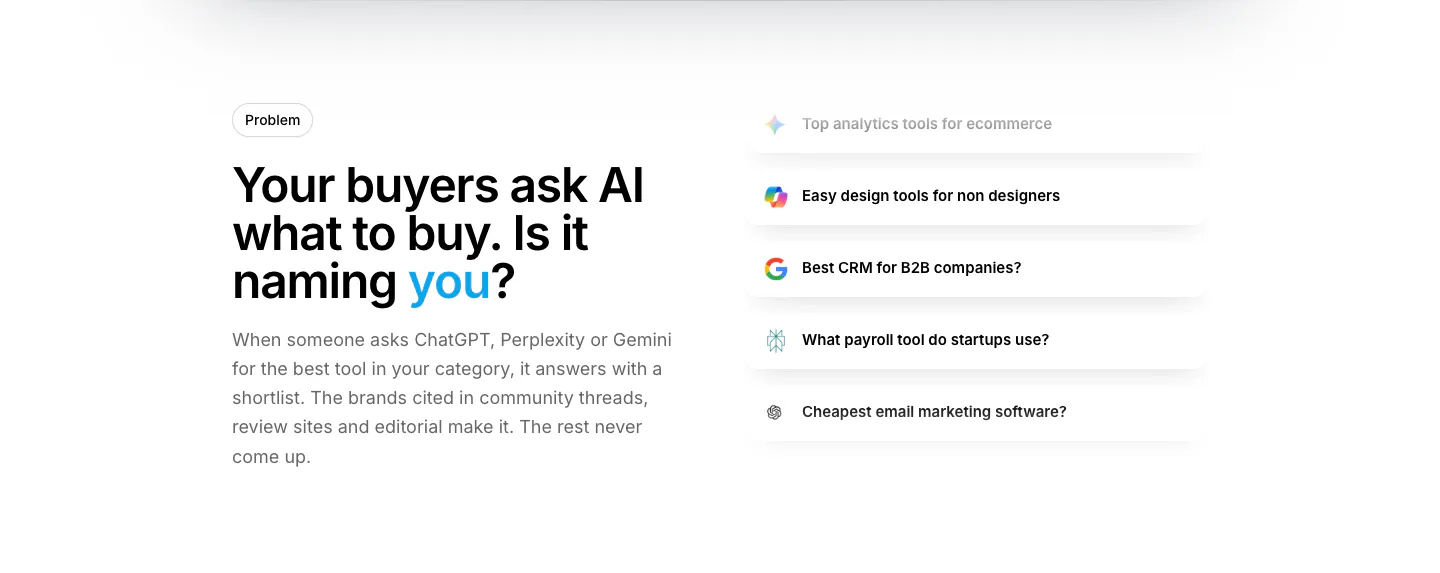
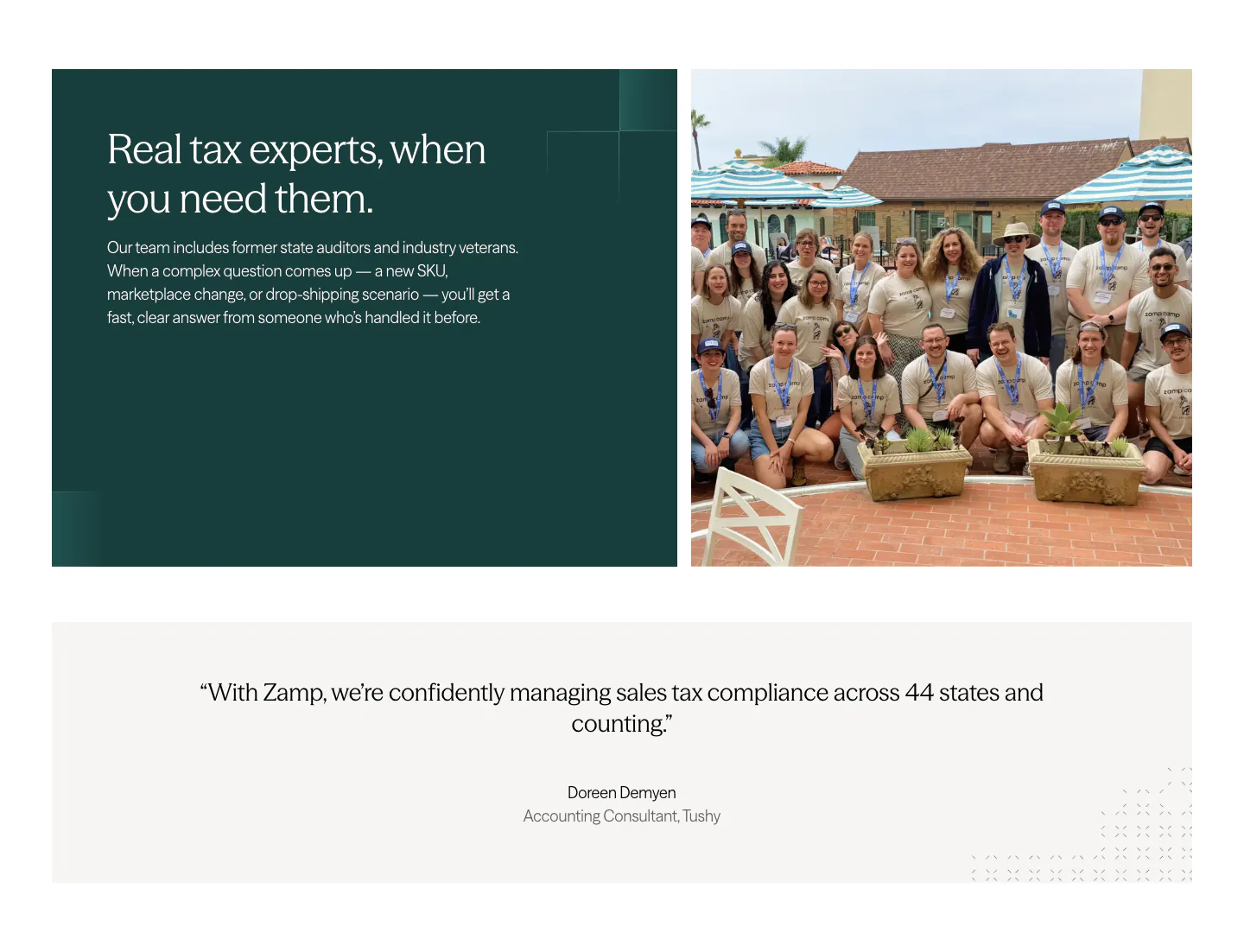
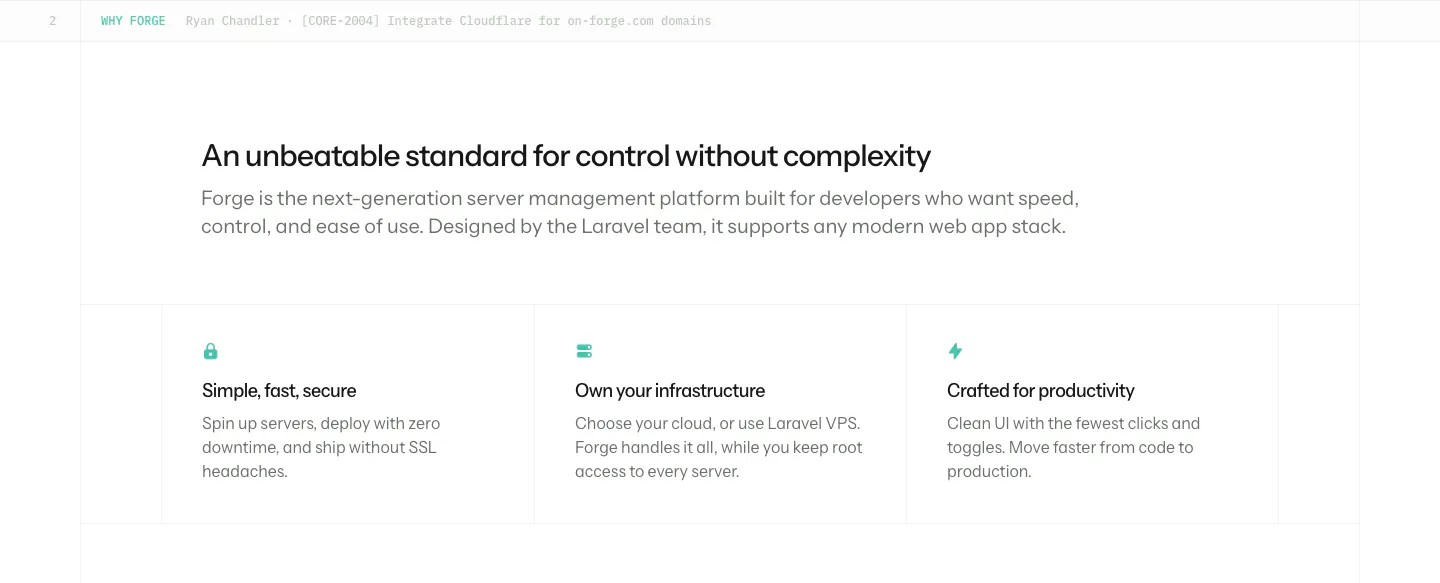
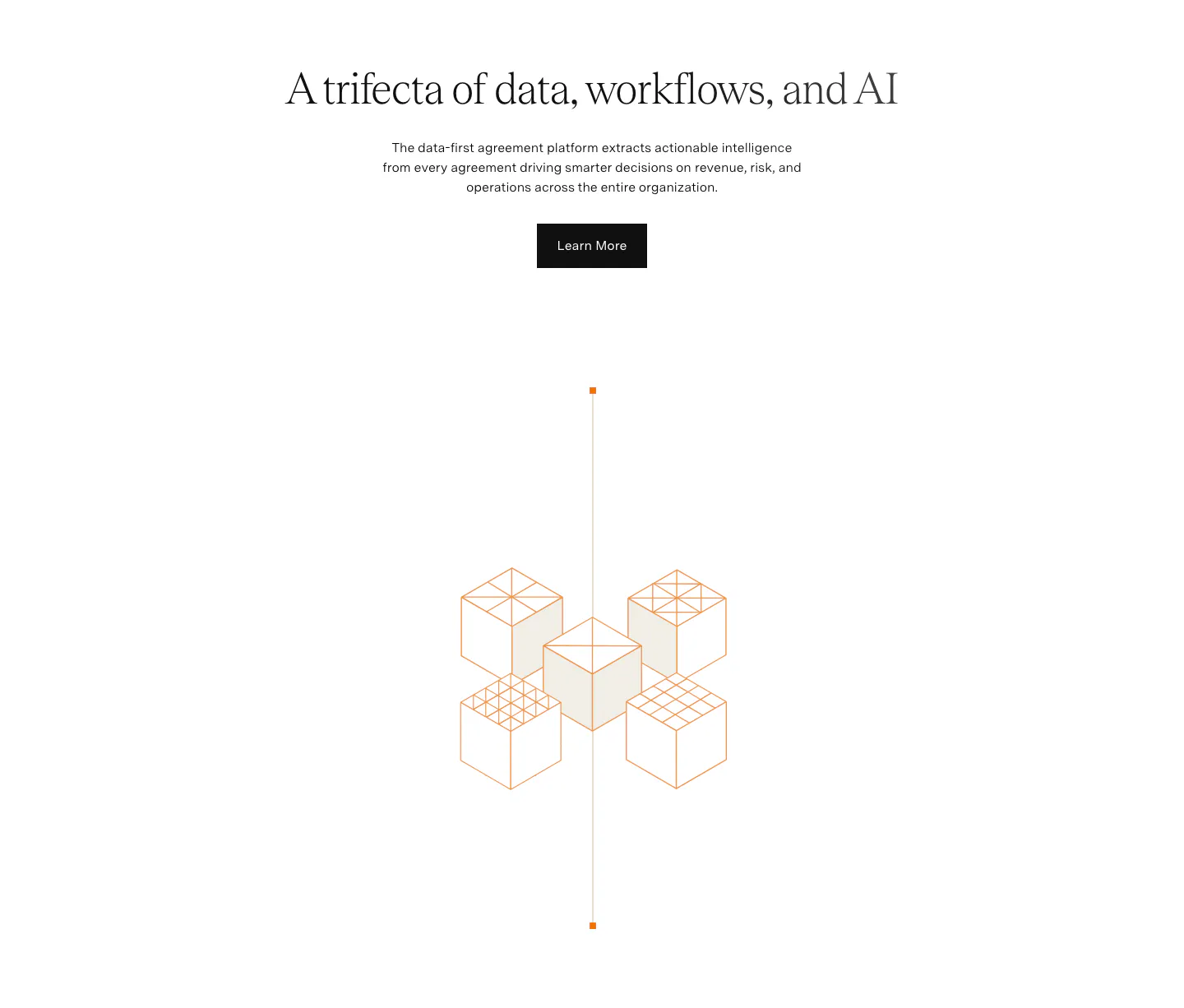
- Centered
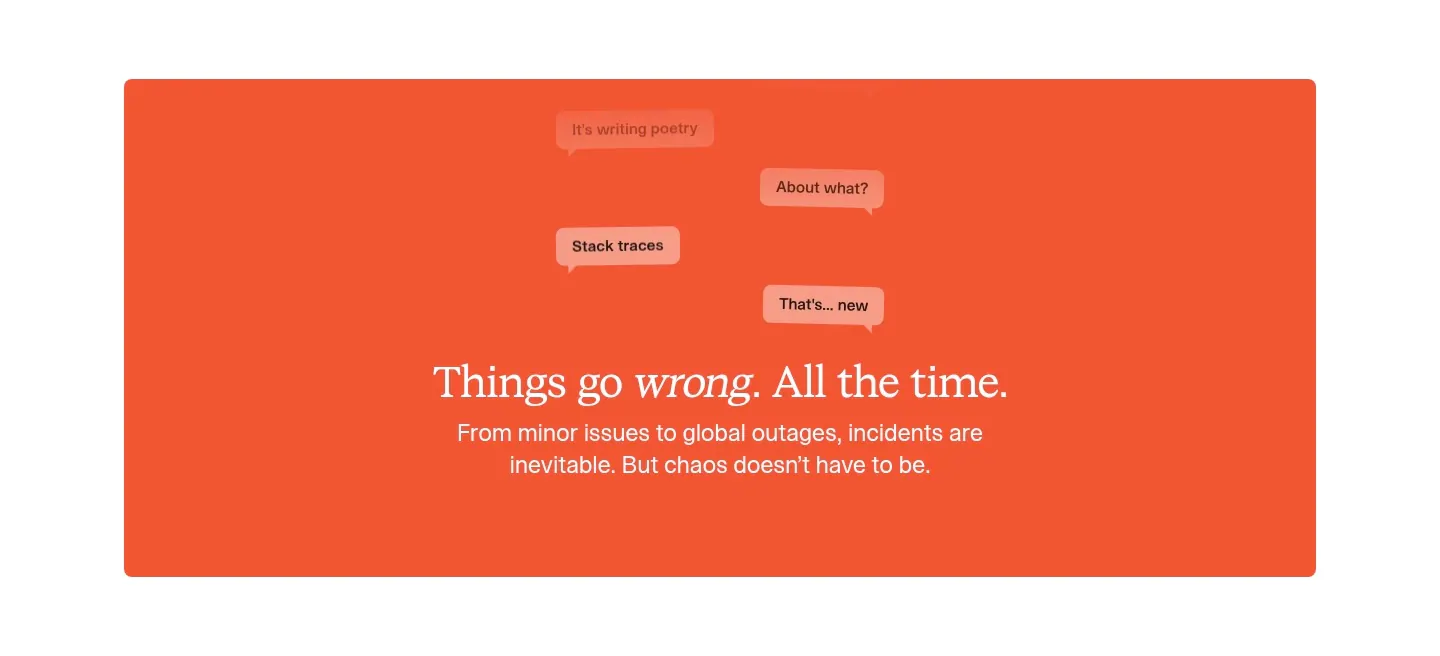
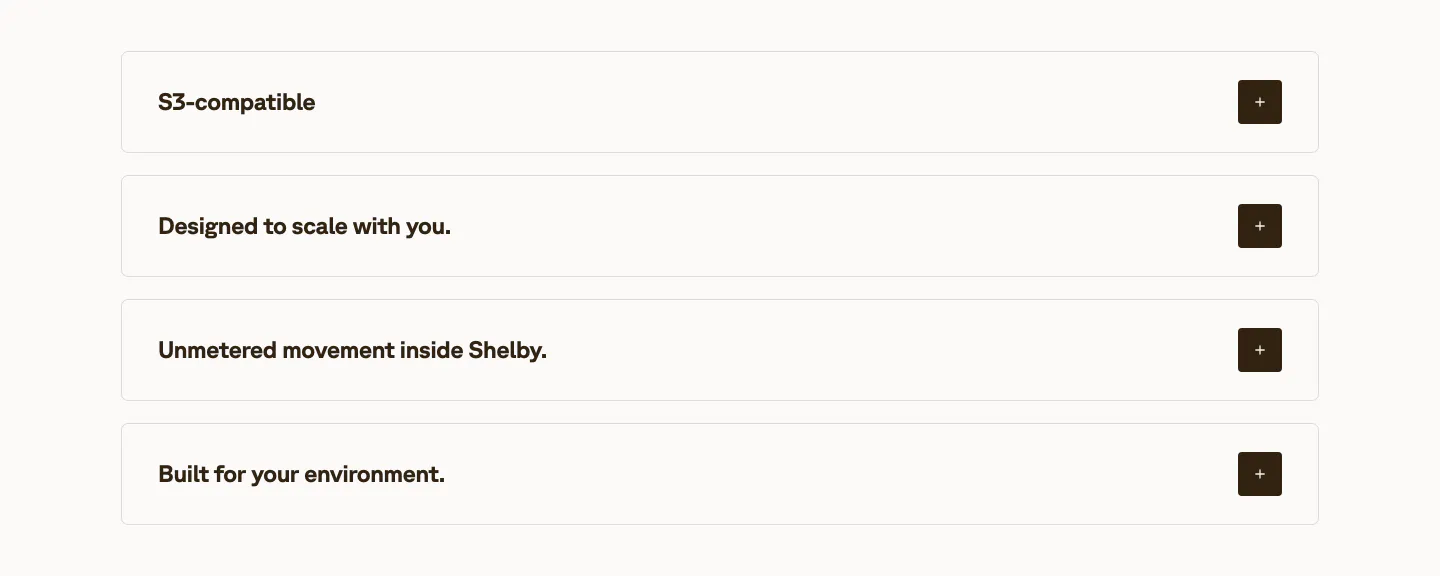
- Minimal
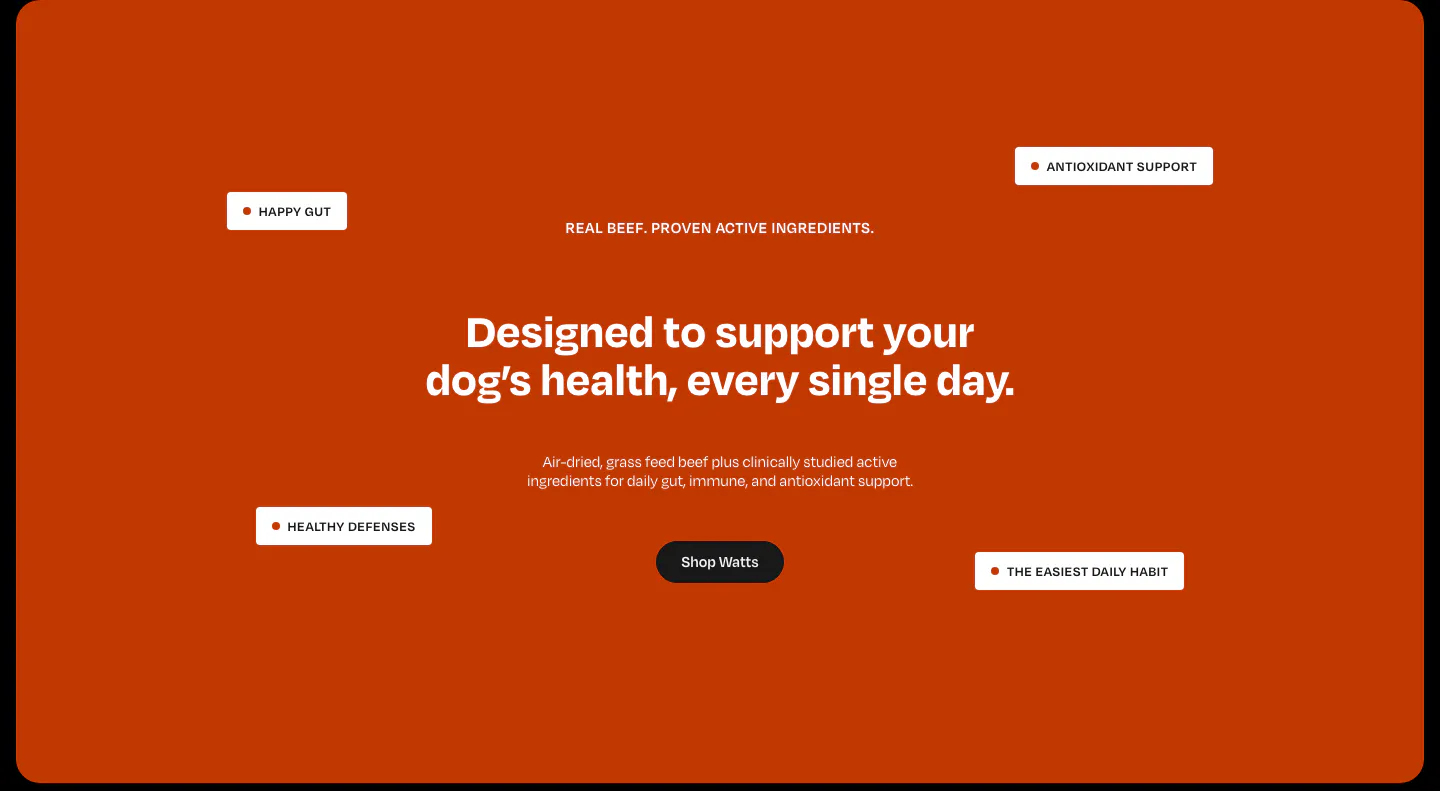
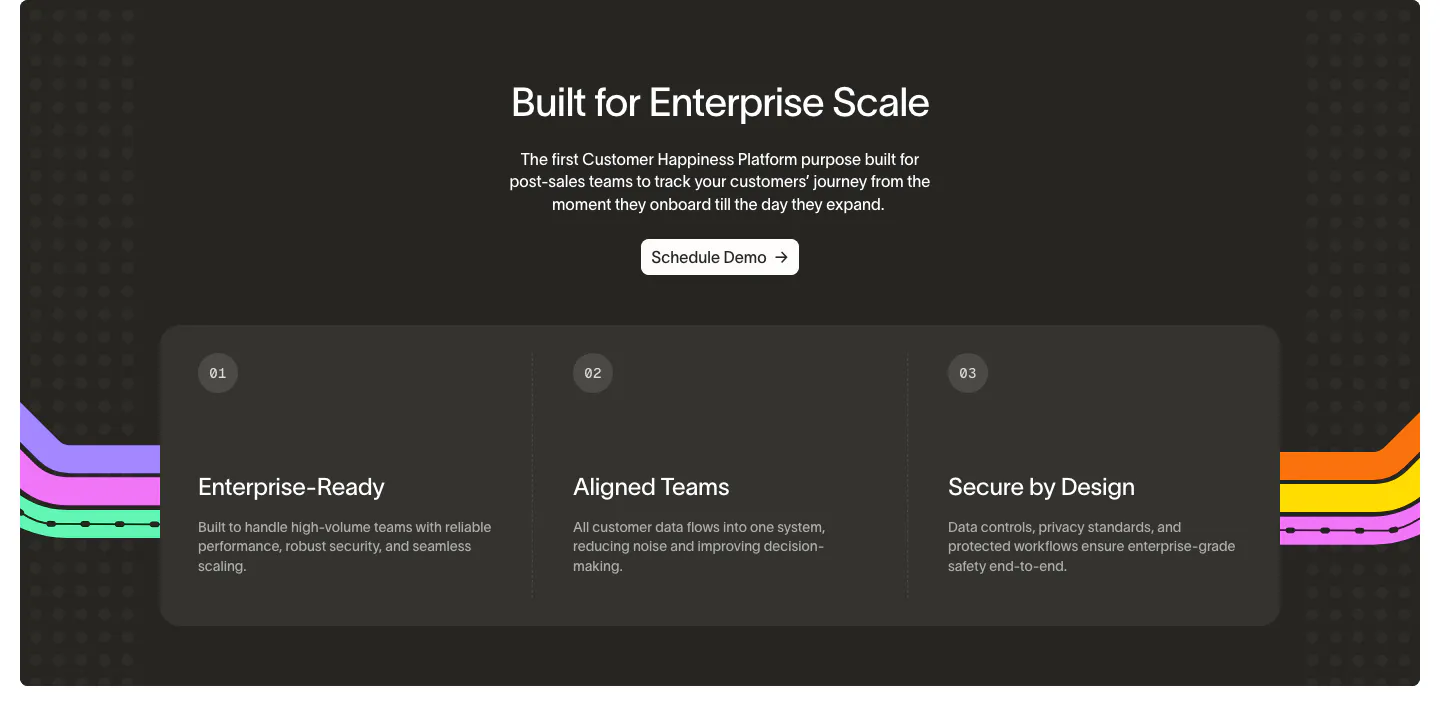
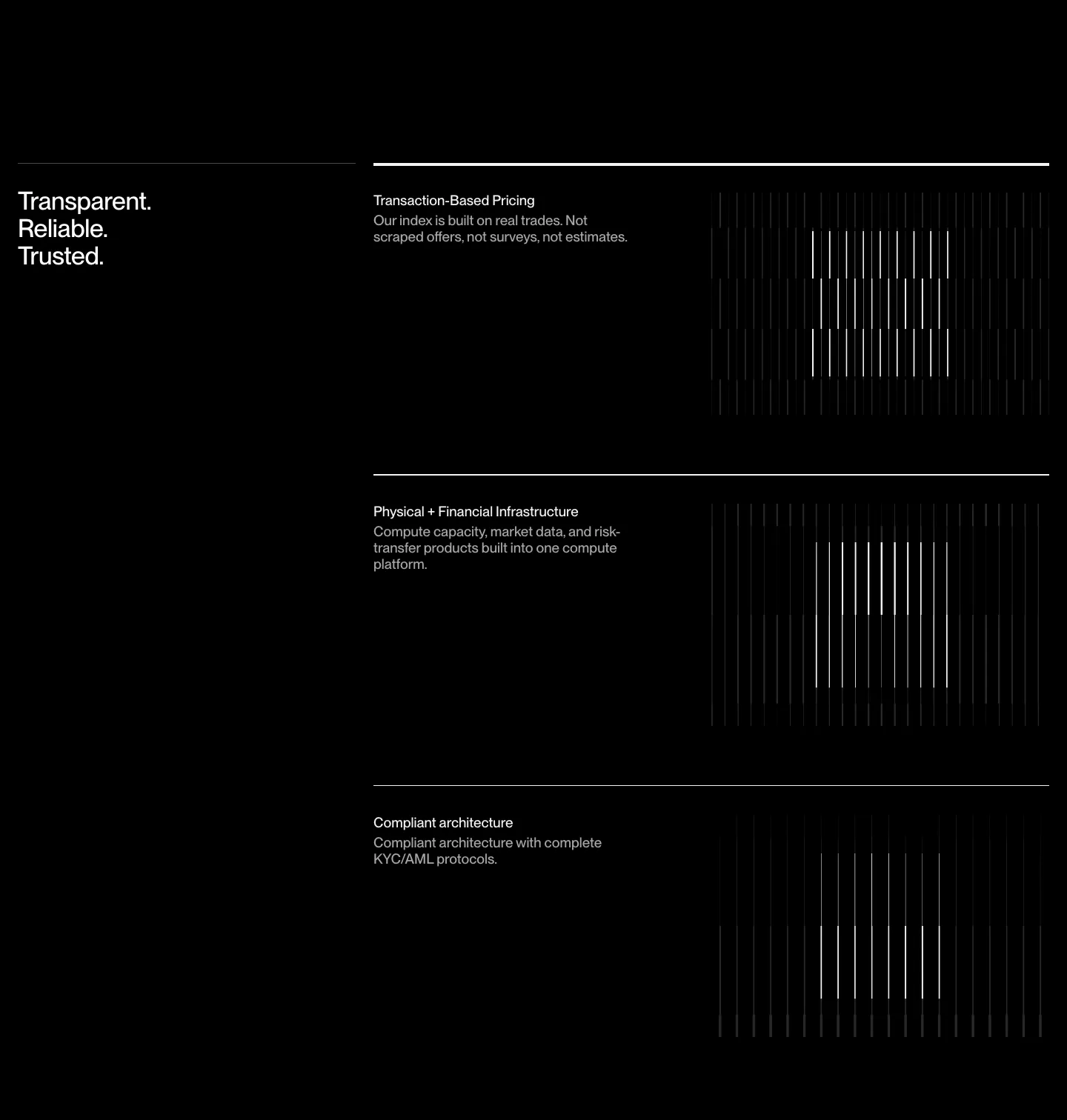
- Dark mode
- Monochrome
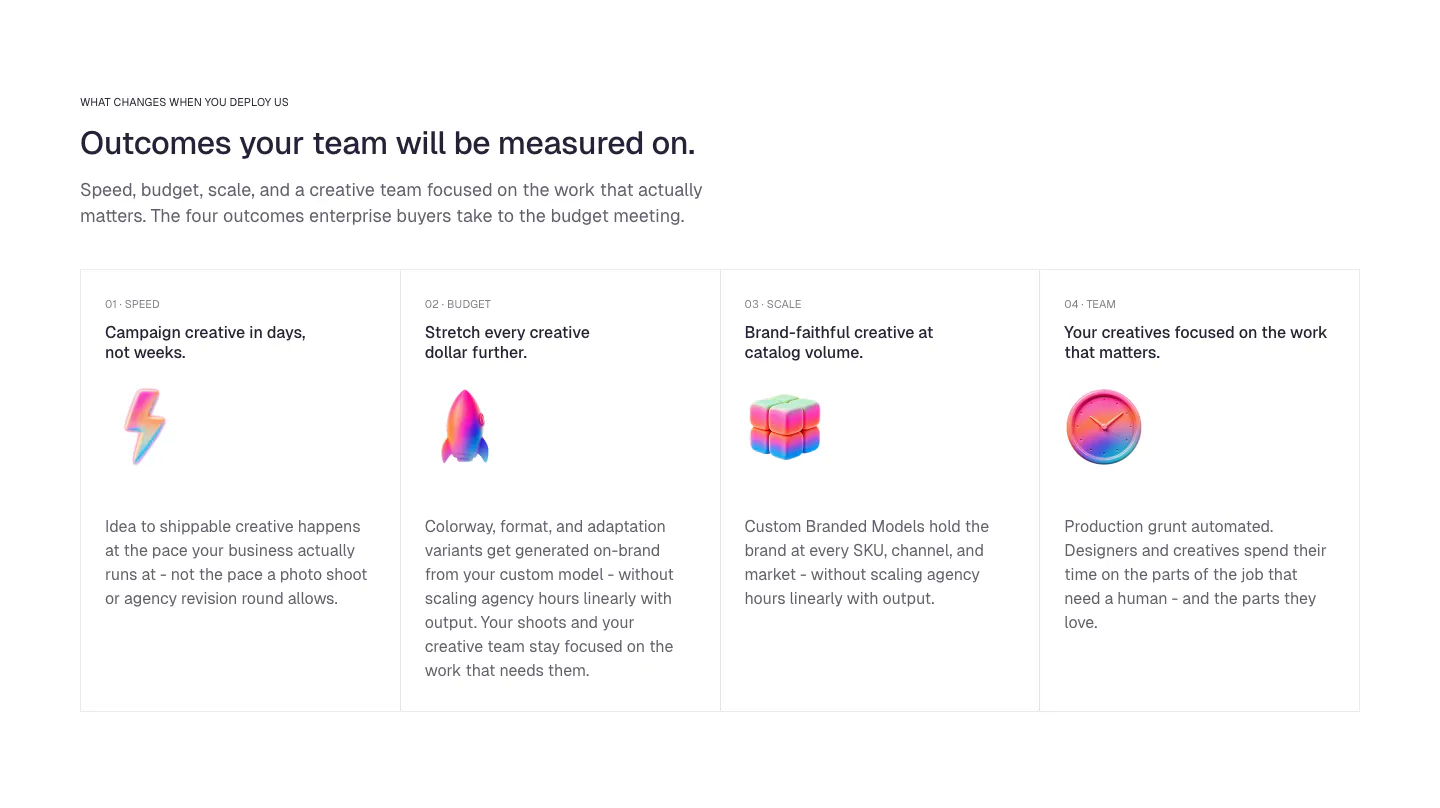
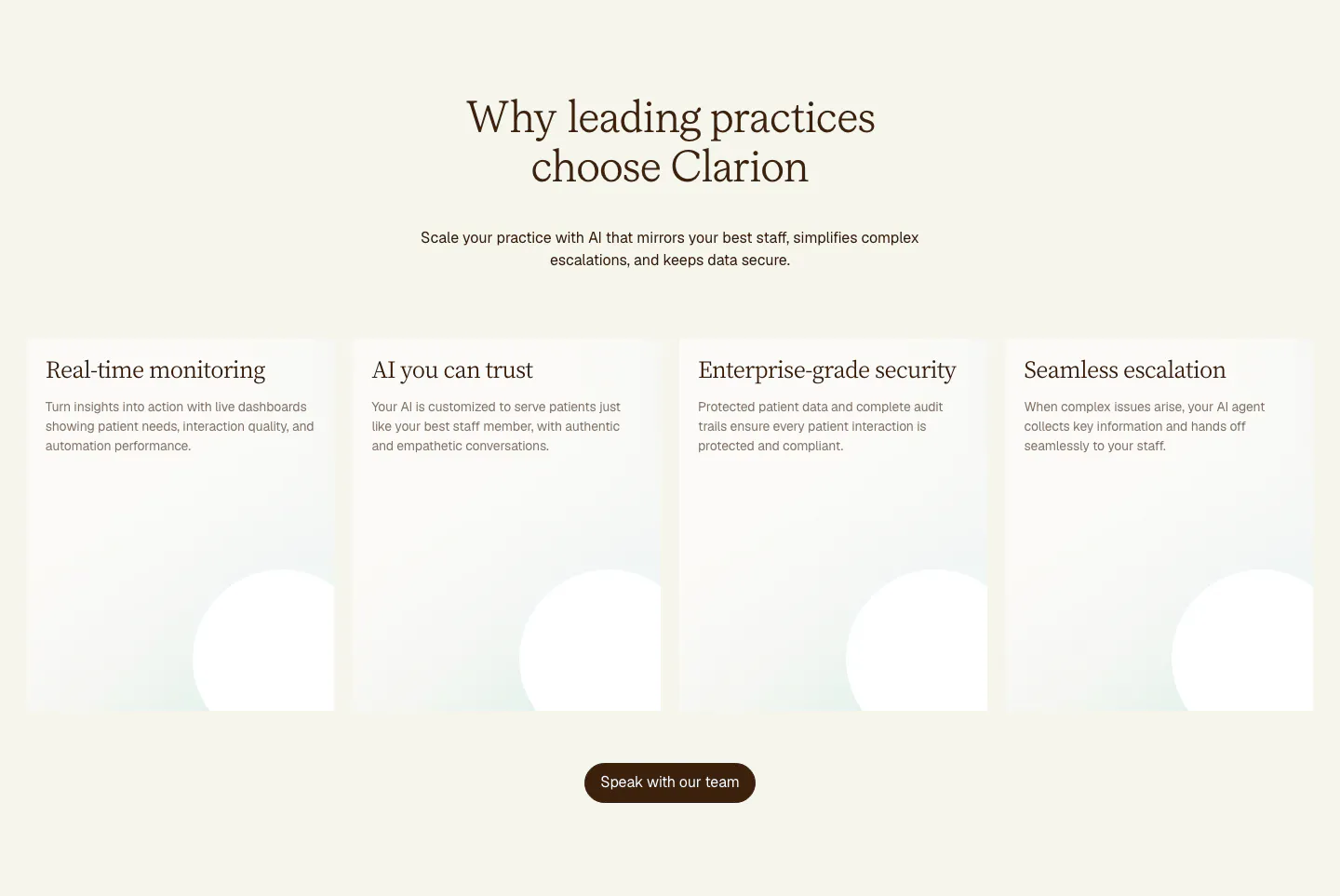
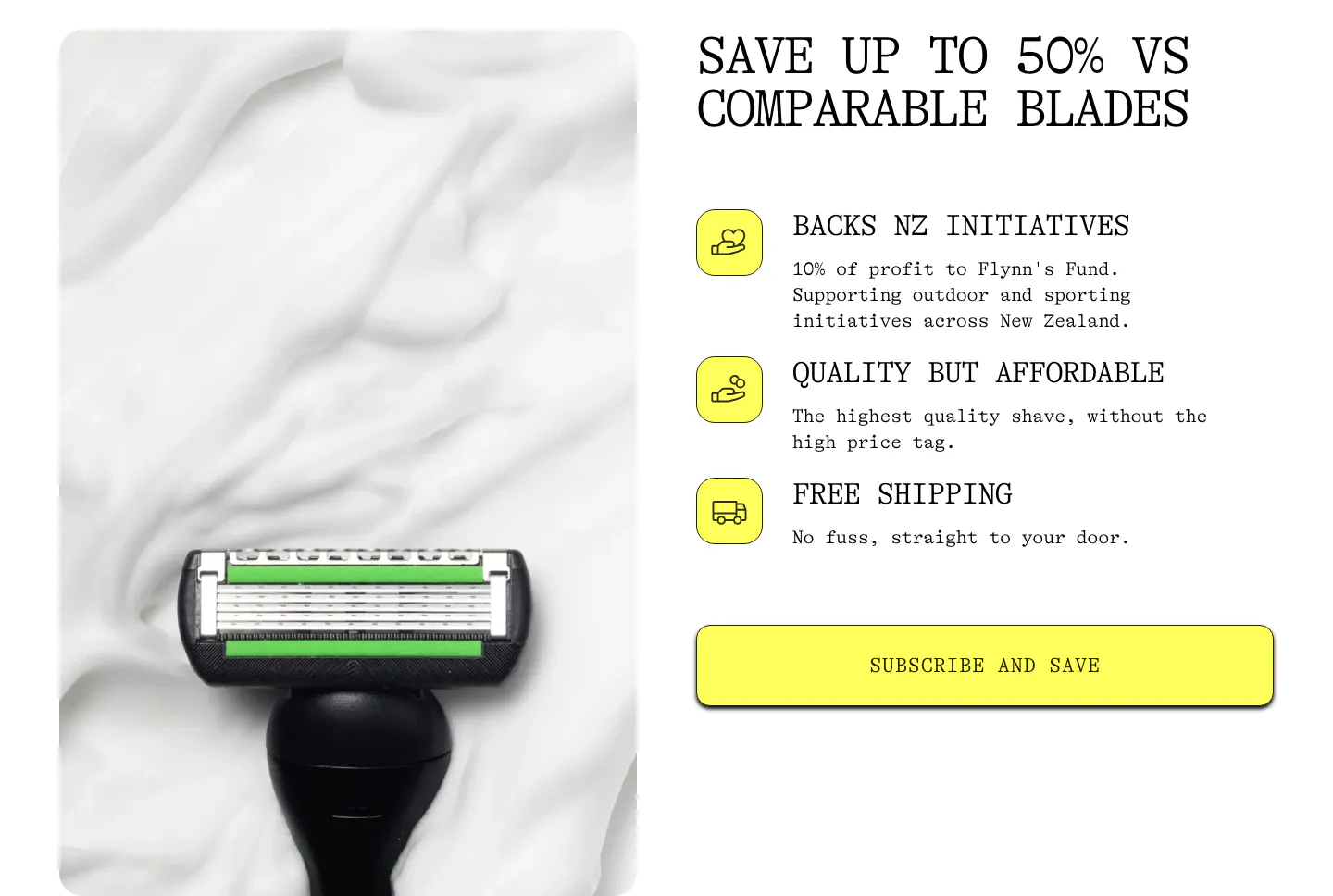
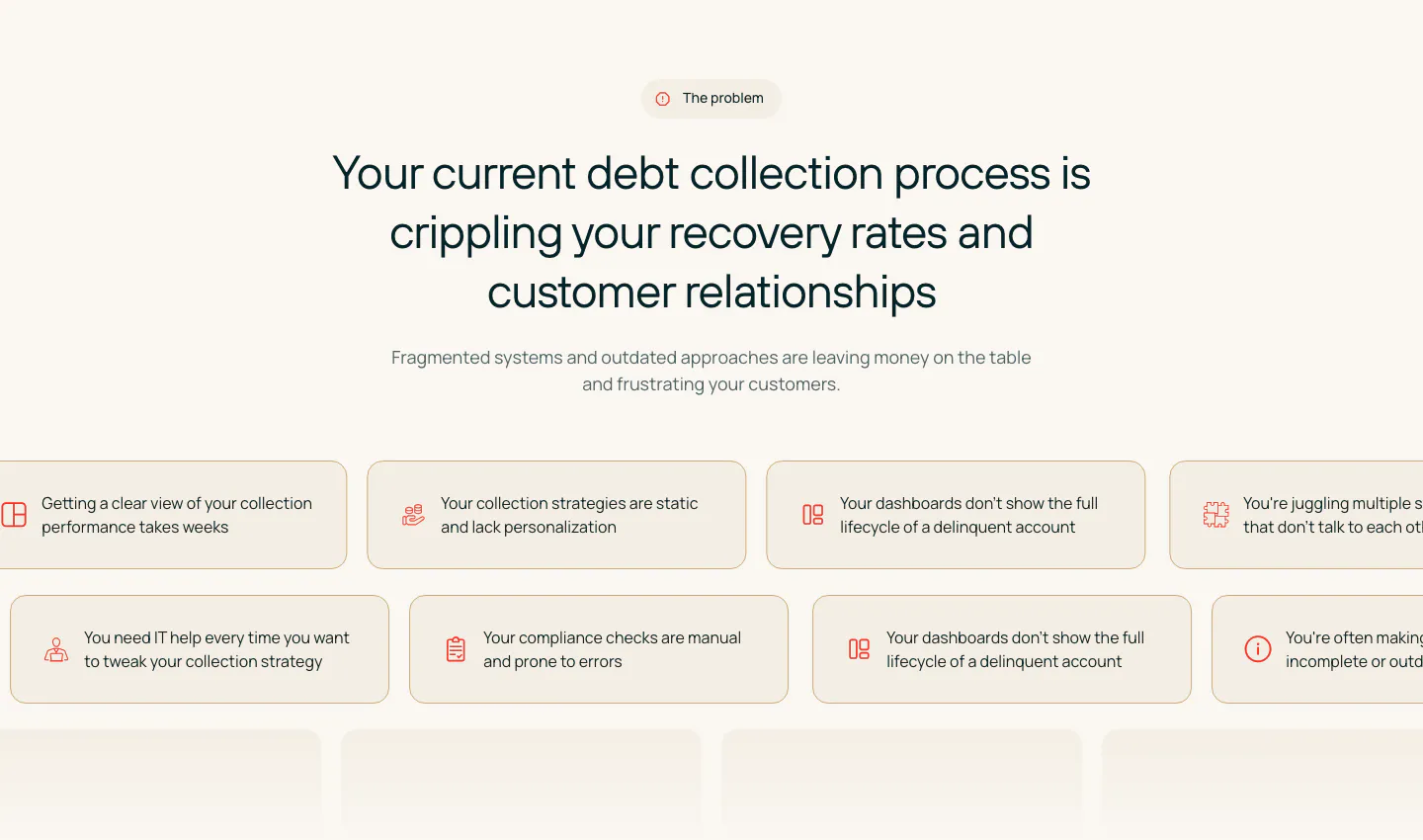
- Card grid
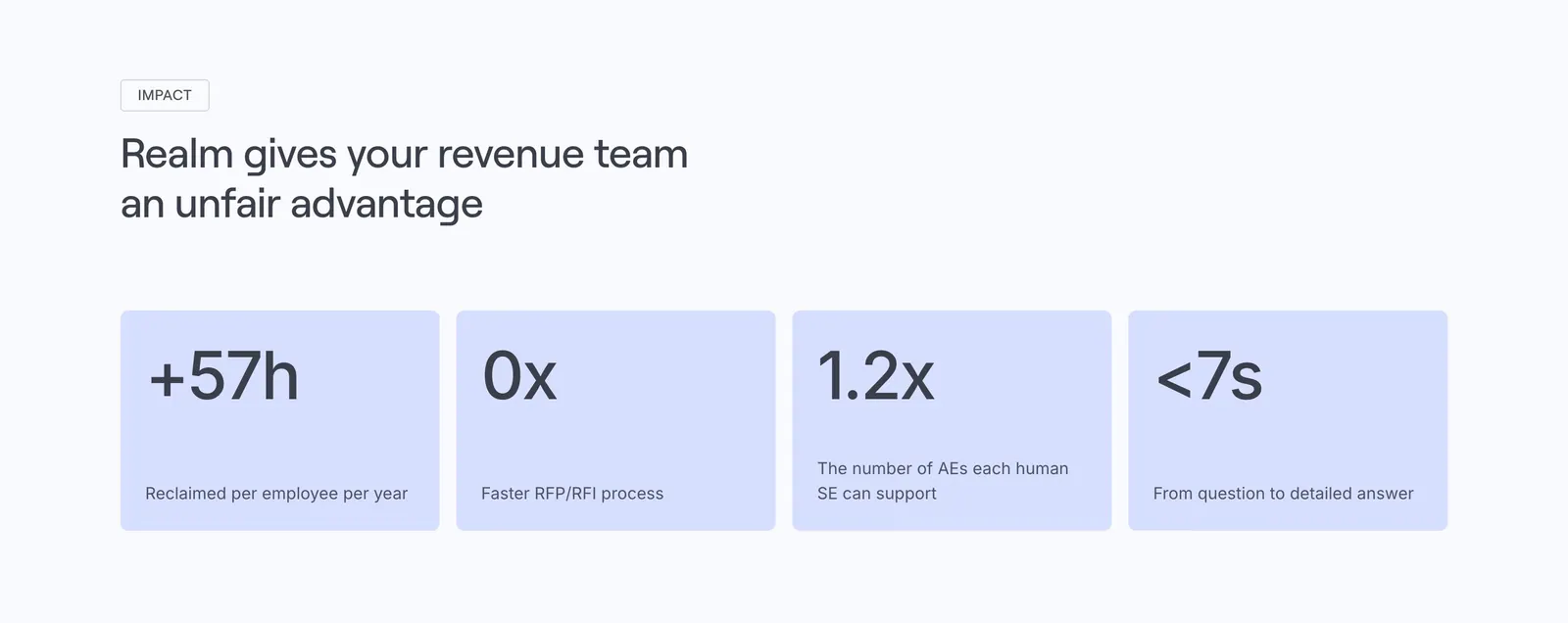
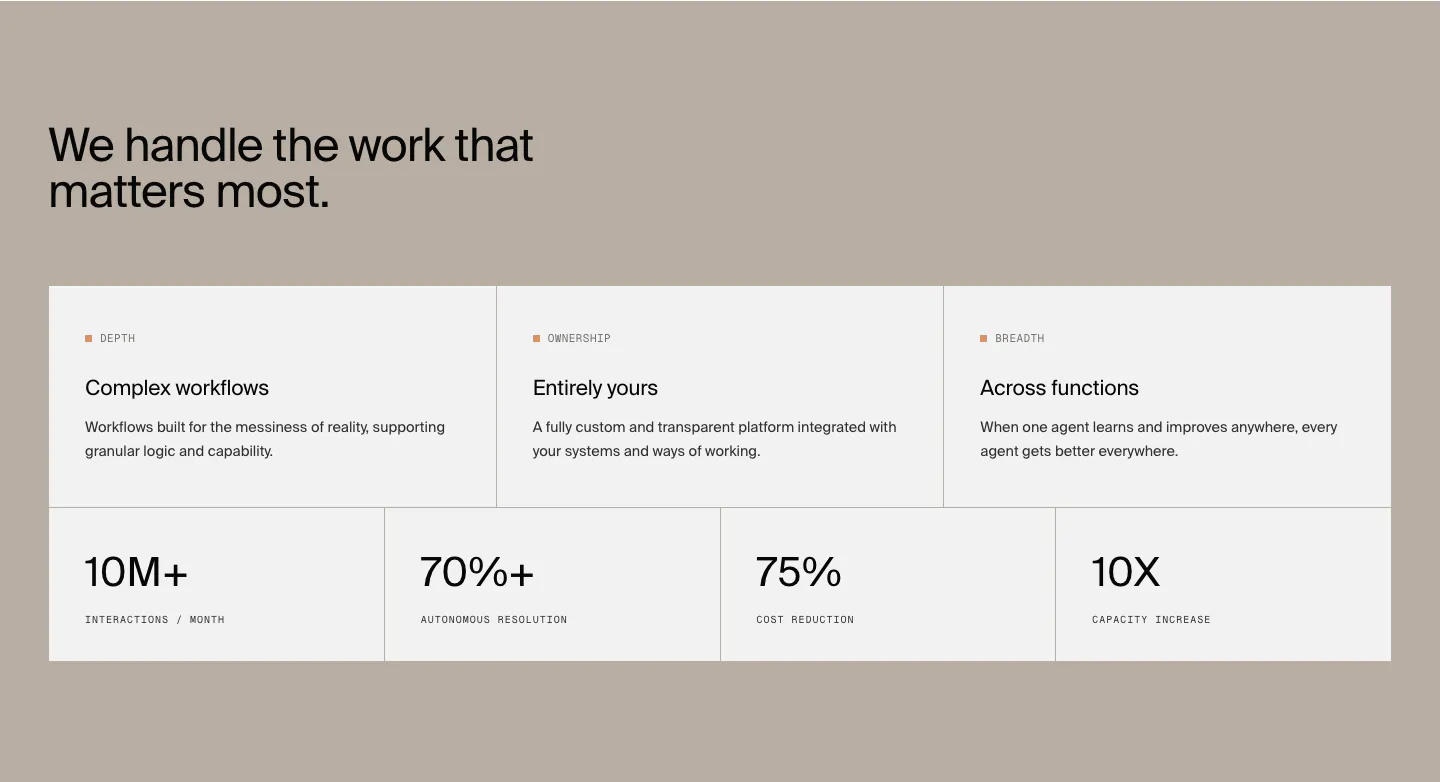
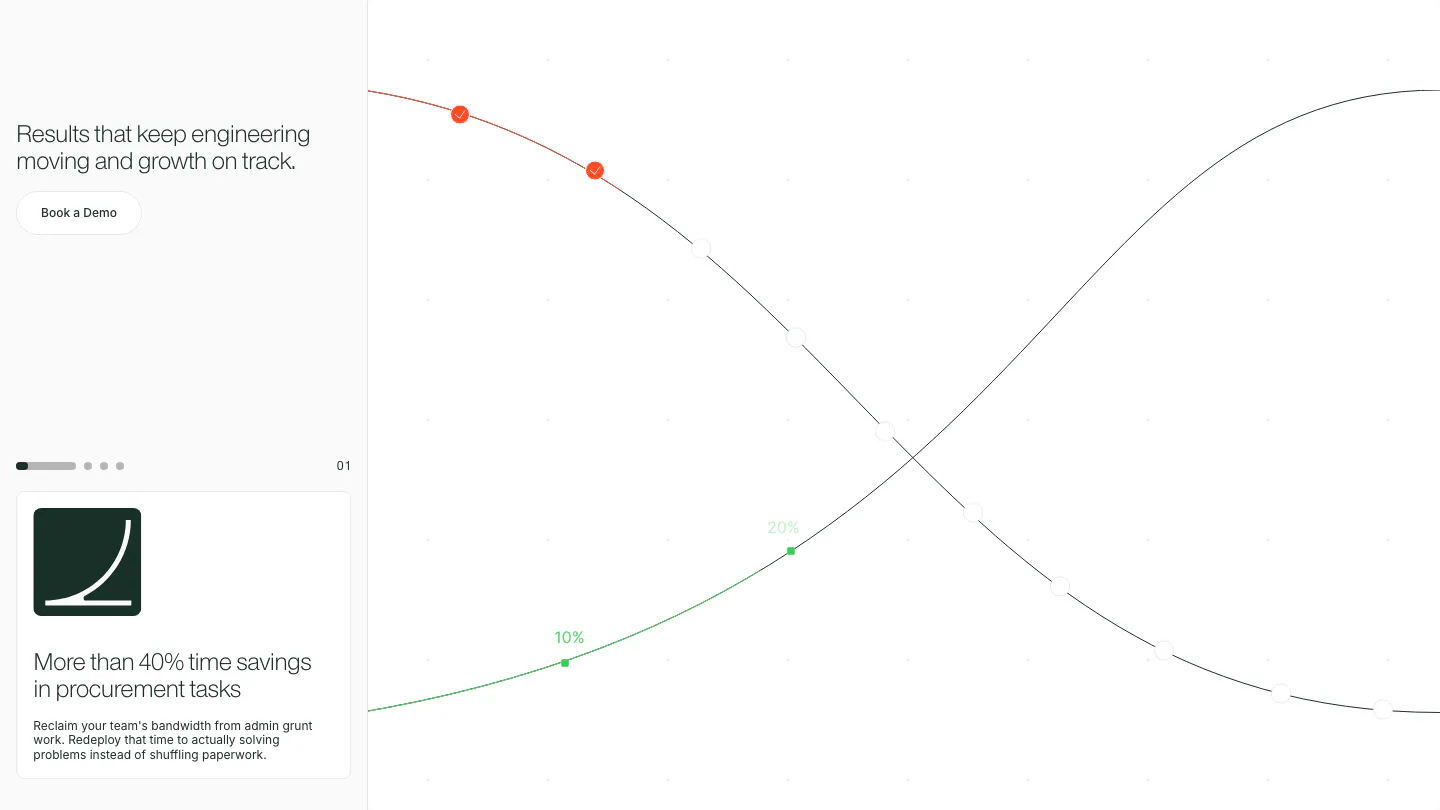
- Metrics
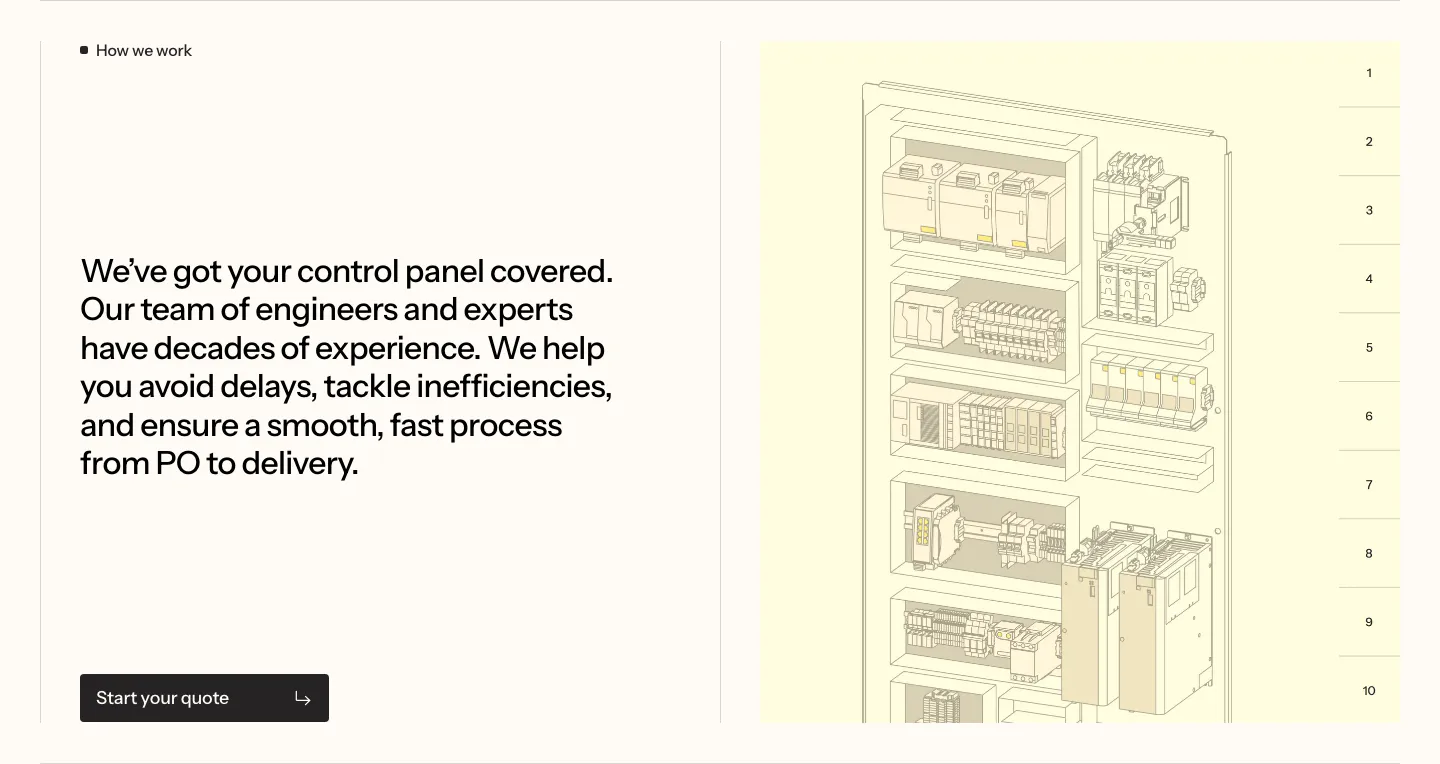
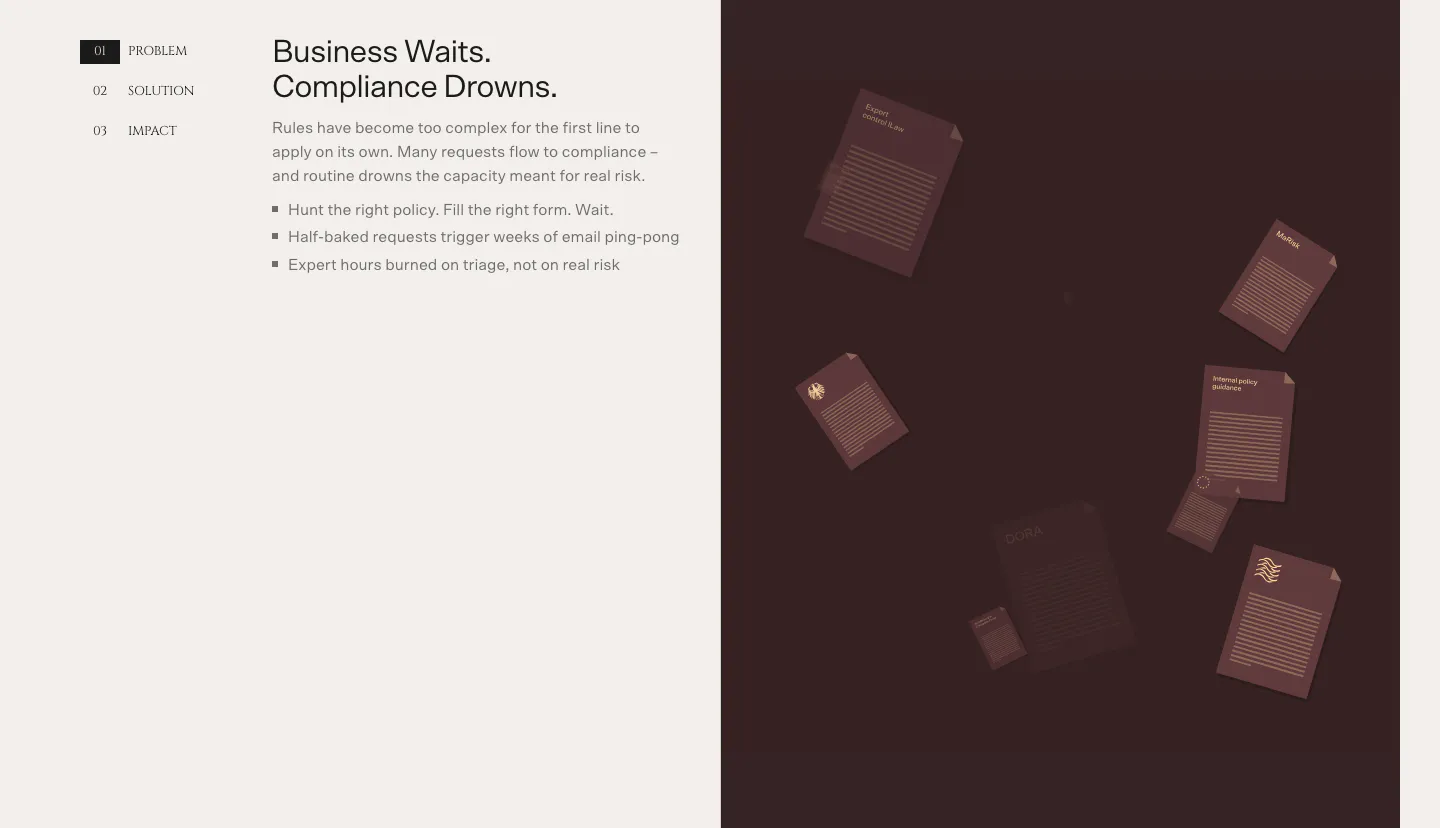
- Warm neutral
How to write a value proposition section
-
Make one claim, not five
Pick the outcome your best customers mention most and build the headline around it. Supporting points should reinforce that claim, not introduce new ones. If the headline needs "and" twice, split it or cut it.
-
Back benefits with tangible outcomes
Replace adjectives with results the reader can picture: hours saved each week, fewer handoffs, faster approvals. A short list of benefit points, each with a bold lead phrase and one supporting sentence, reads faster than a paragraph.
-
Surround the claim with space
This section works best with generous whitespace and large type. Use a narrow text column, a clear size jump between headline and supporting points, and no decorative clutter. The space signals confidence and keeps the eye on the claim.
-
Leave product screenshots out
If the section starts filling with screenshots and capability lists, it has become a features block. Use simple icons, one abstract visual, or nothing at all, and let the feature section below carry the proof of how the product works.